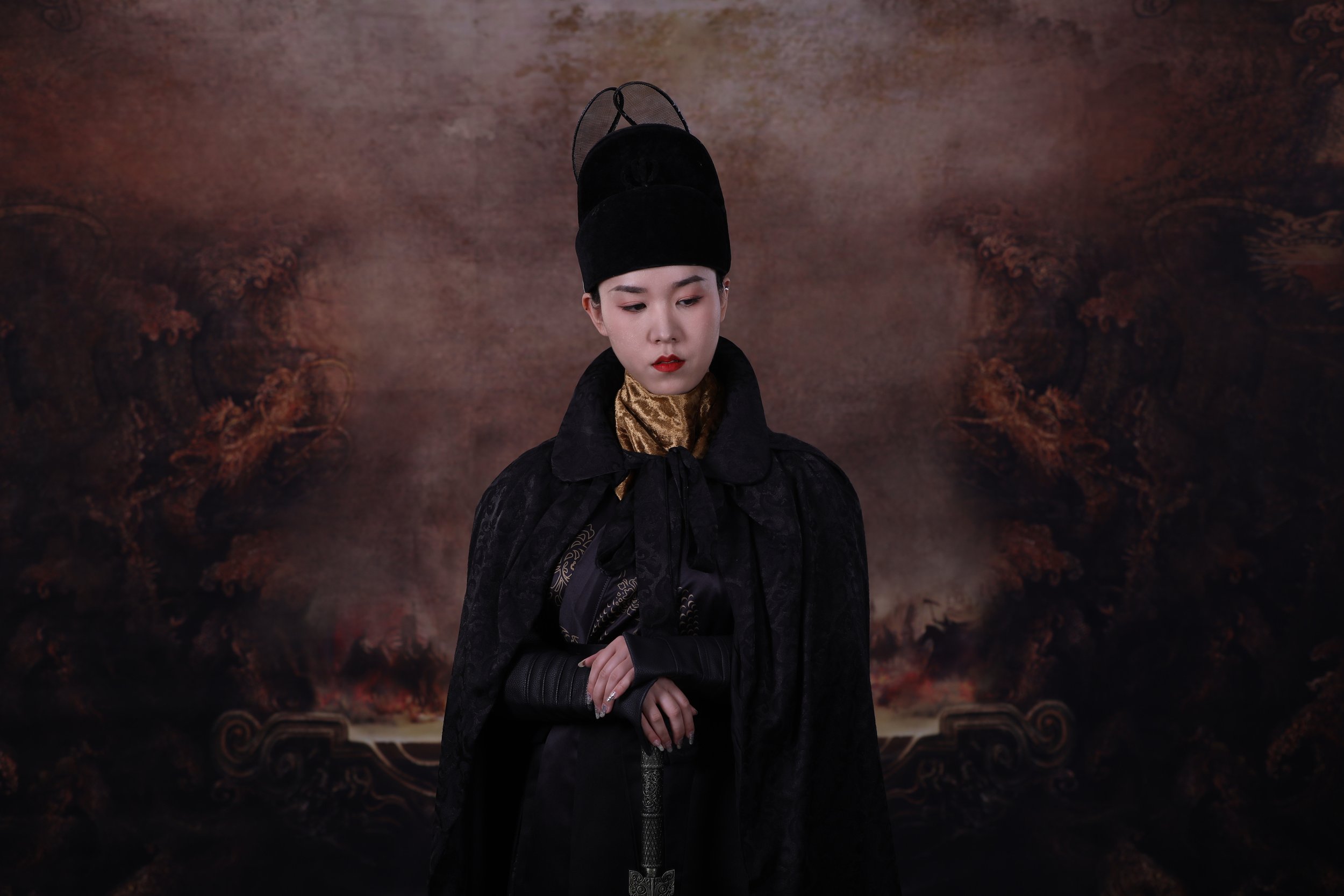
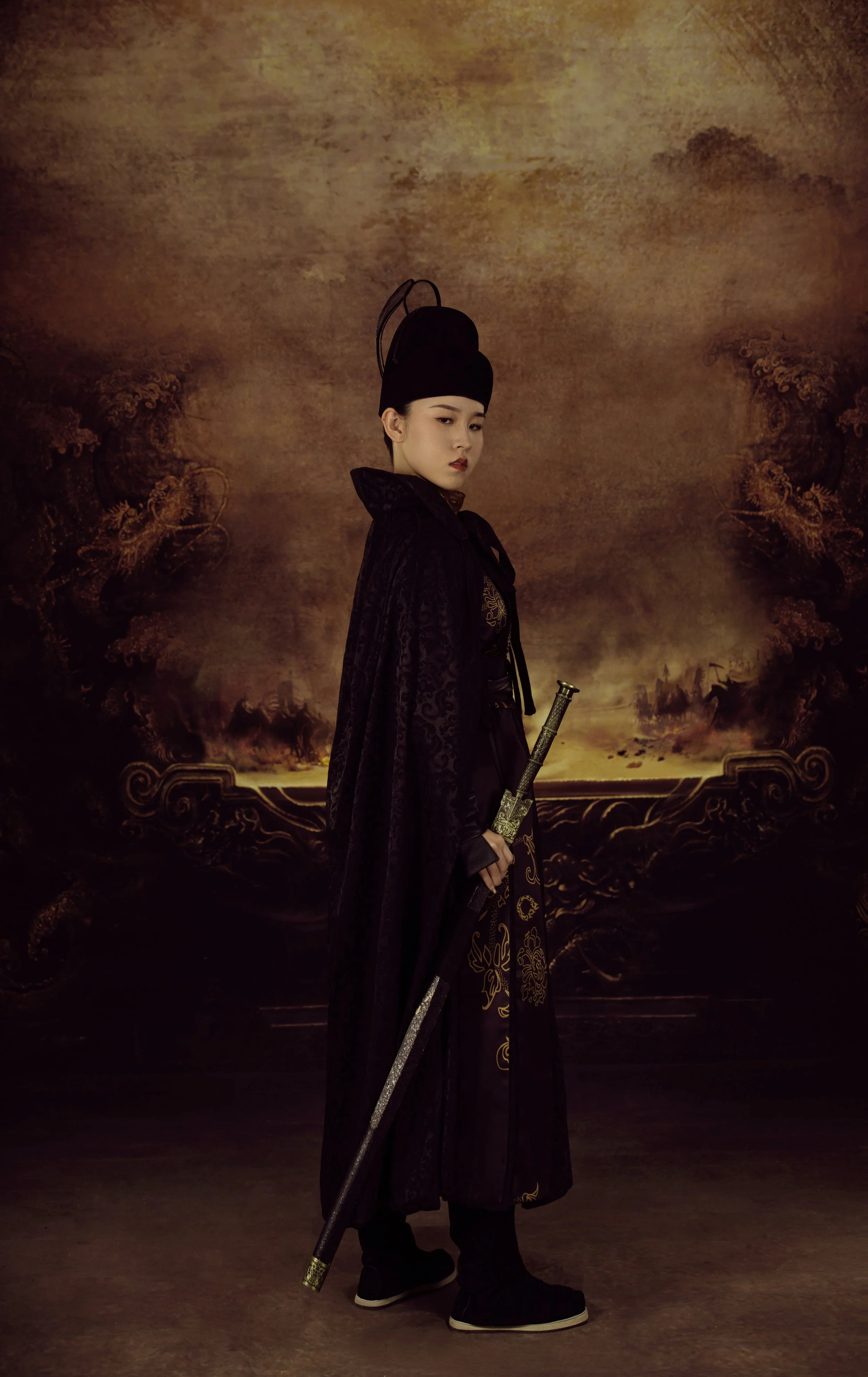
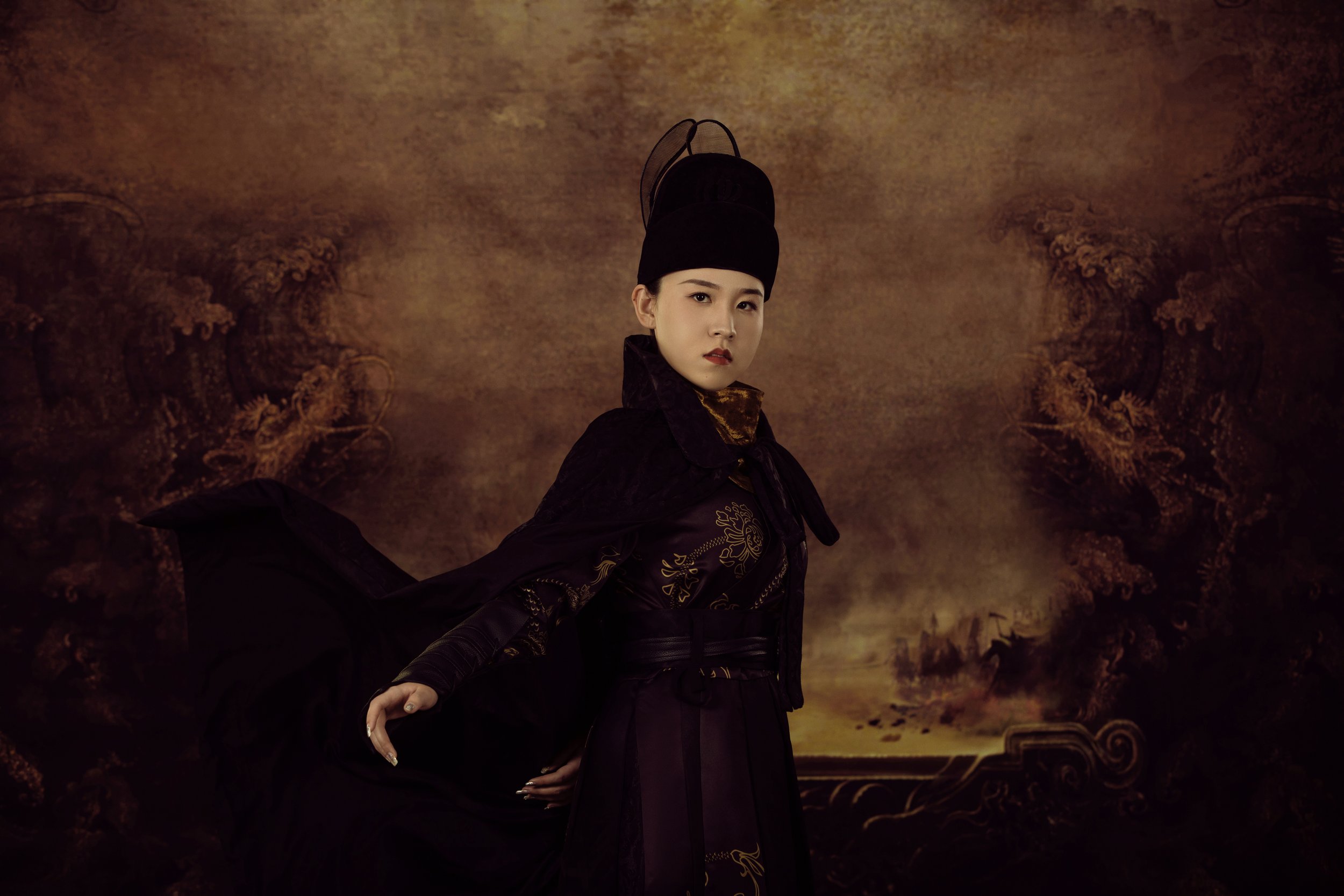
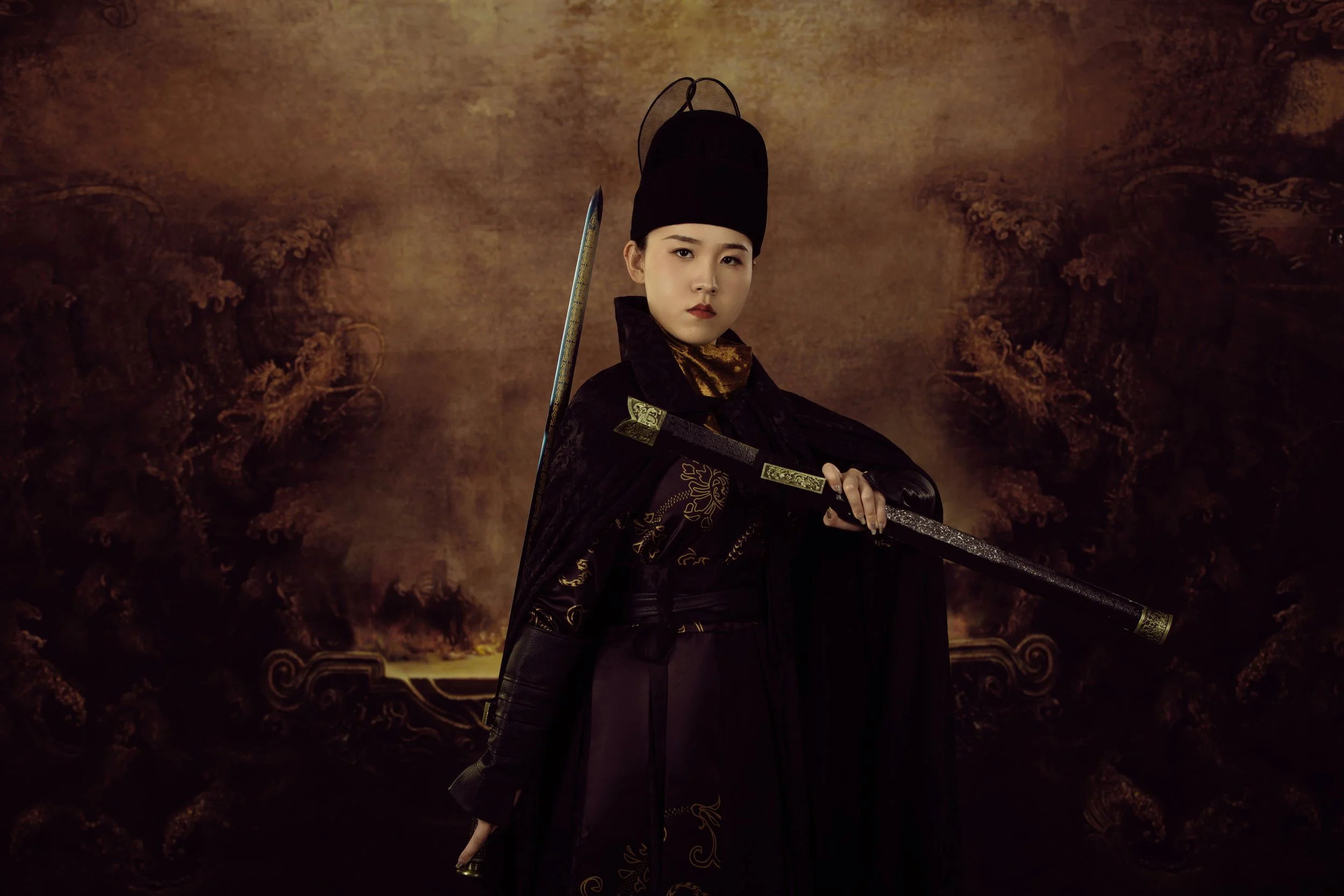
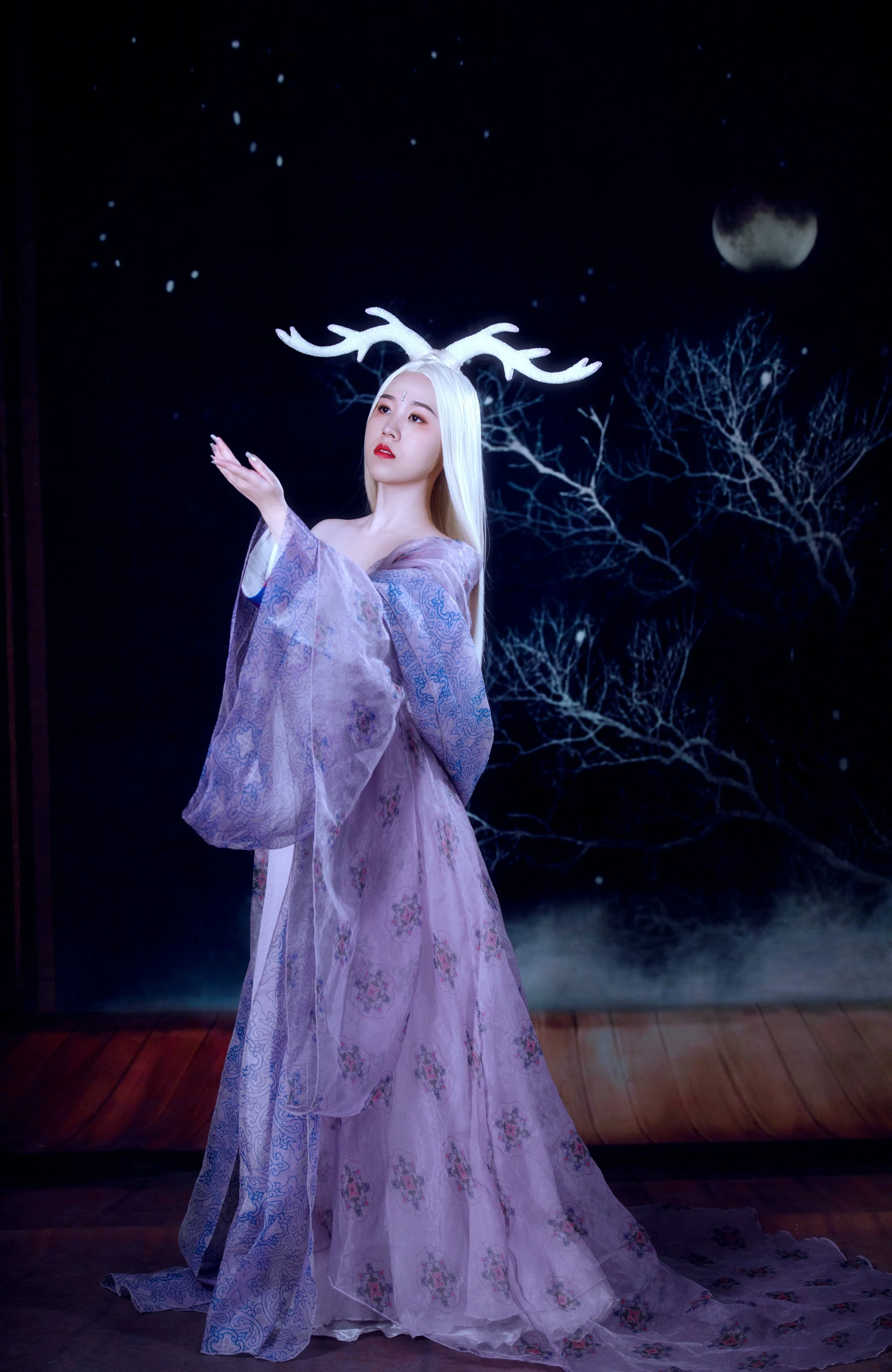
Classical Chinese Performance
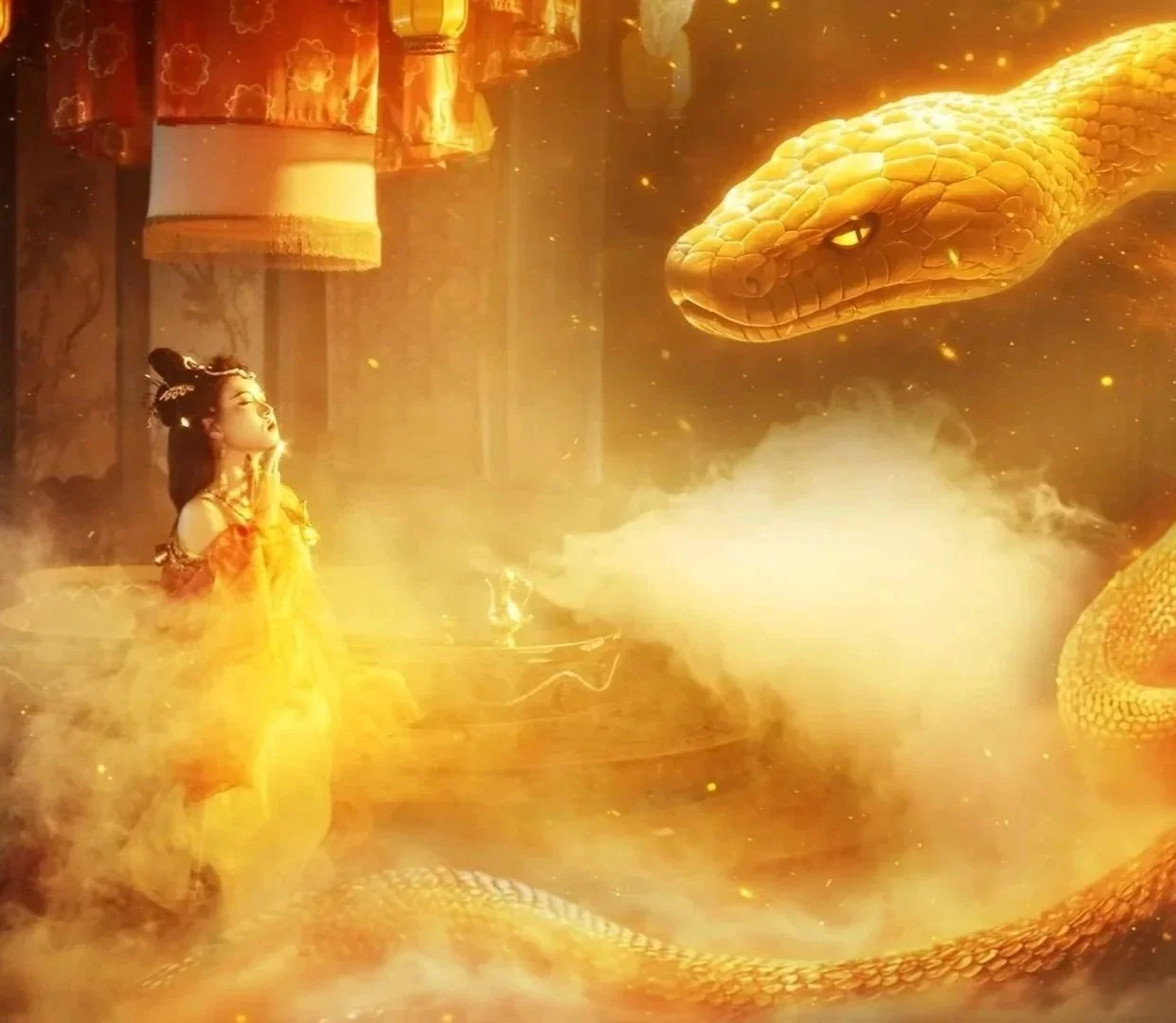
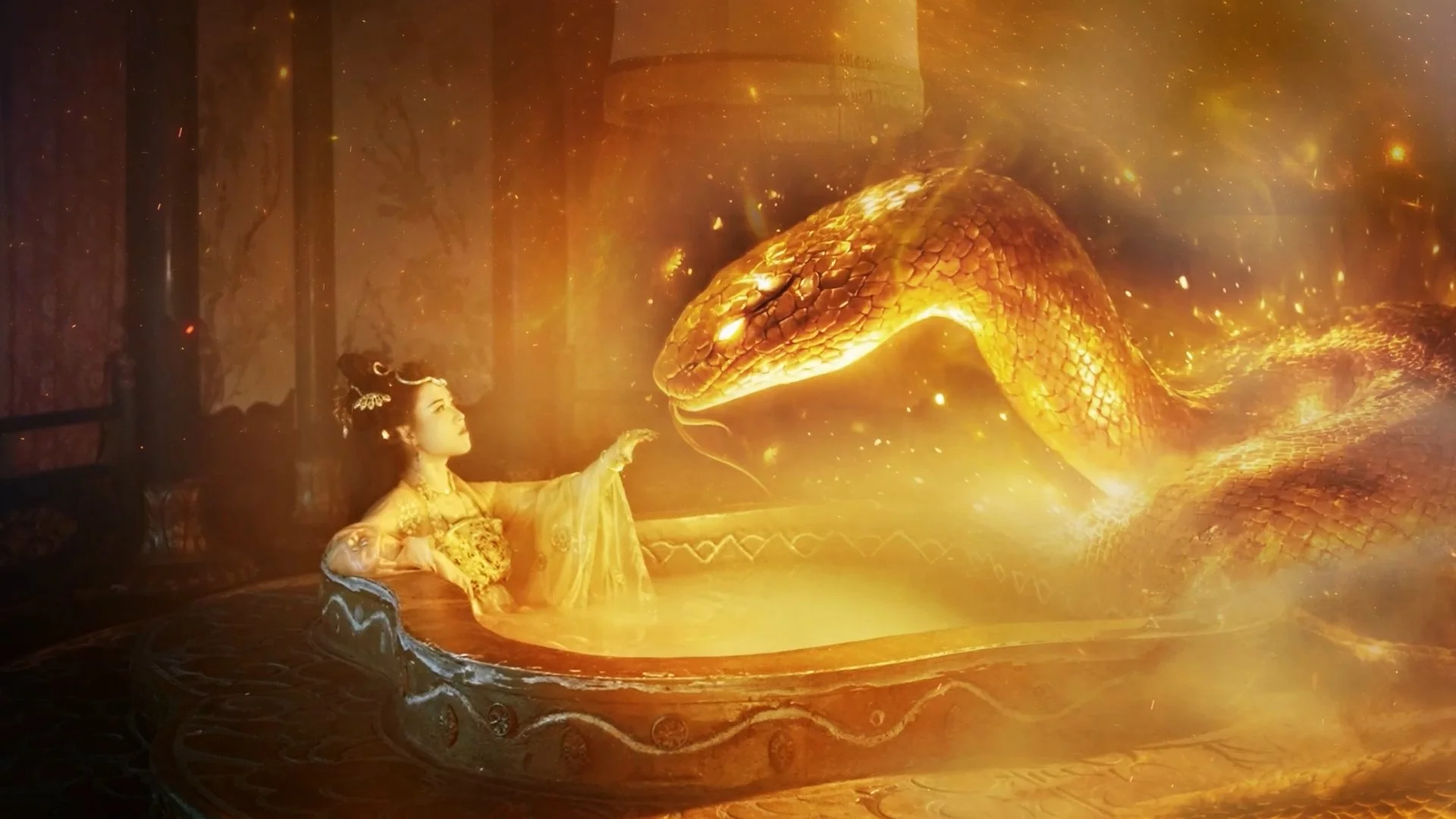
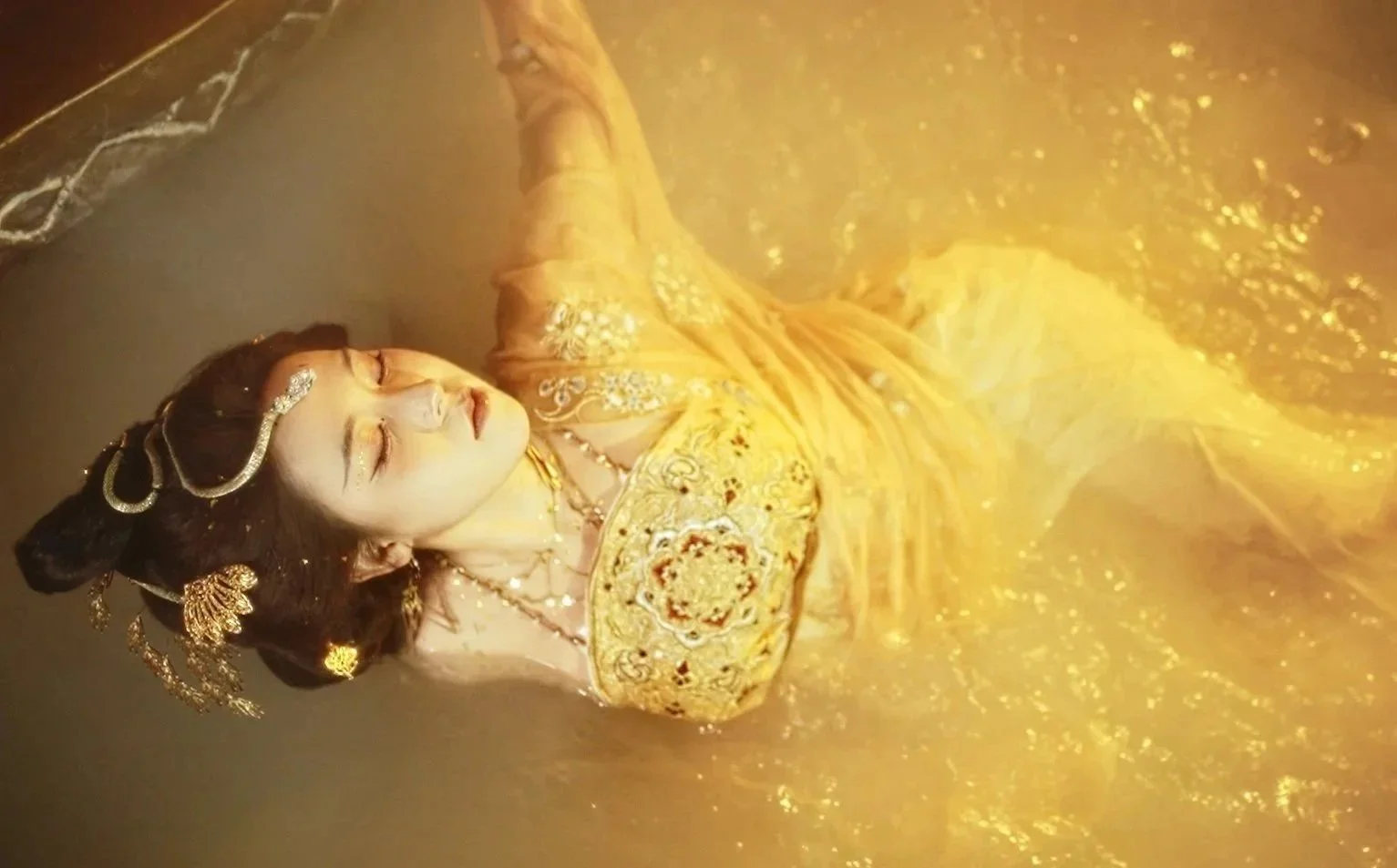
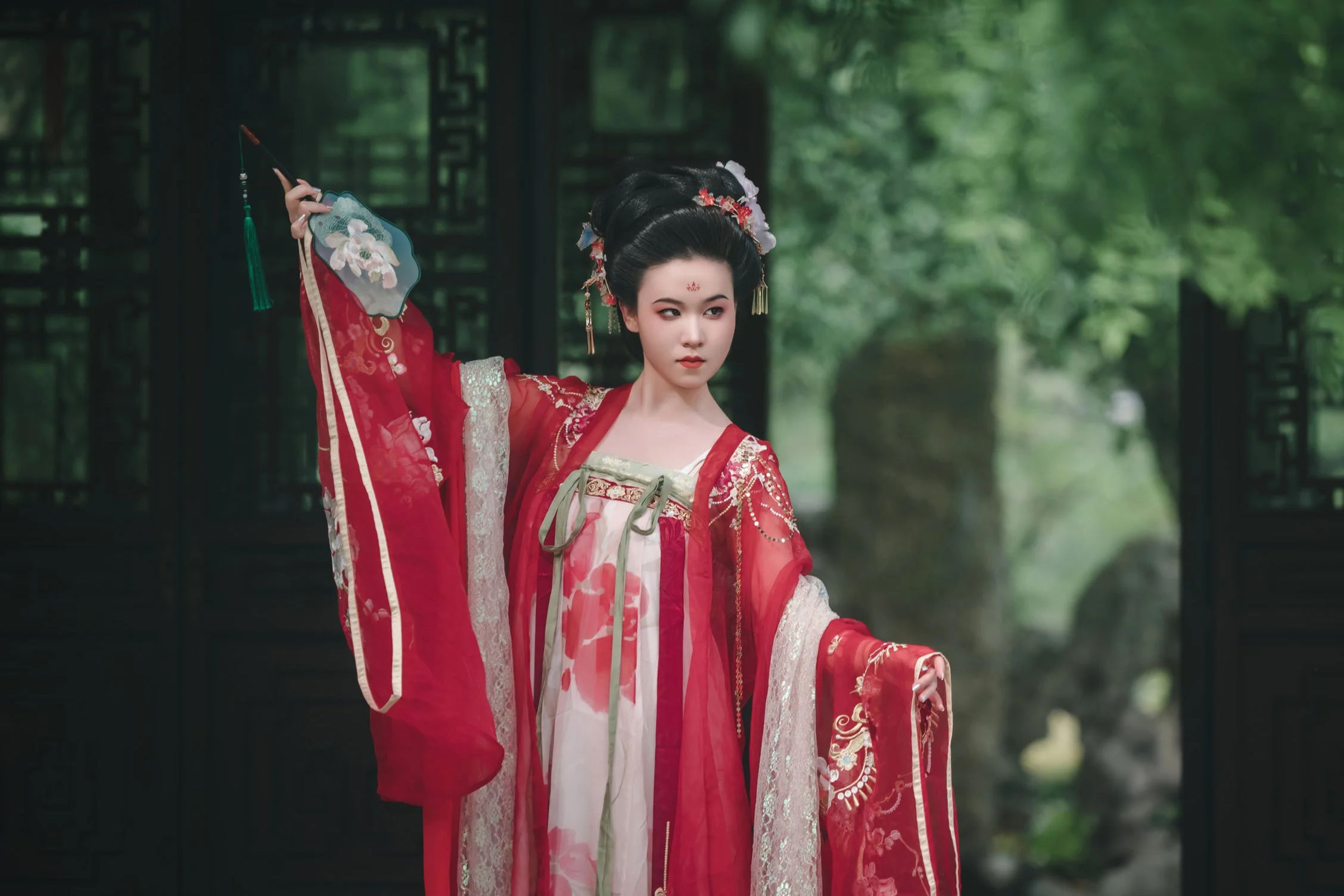
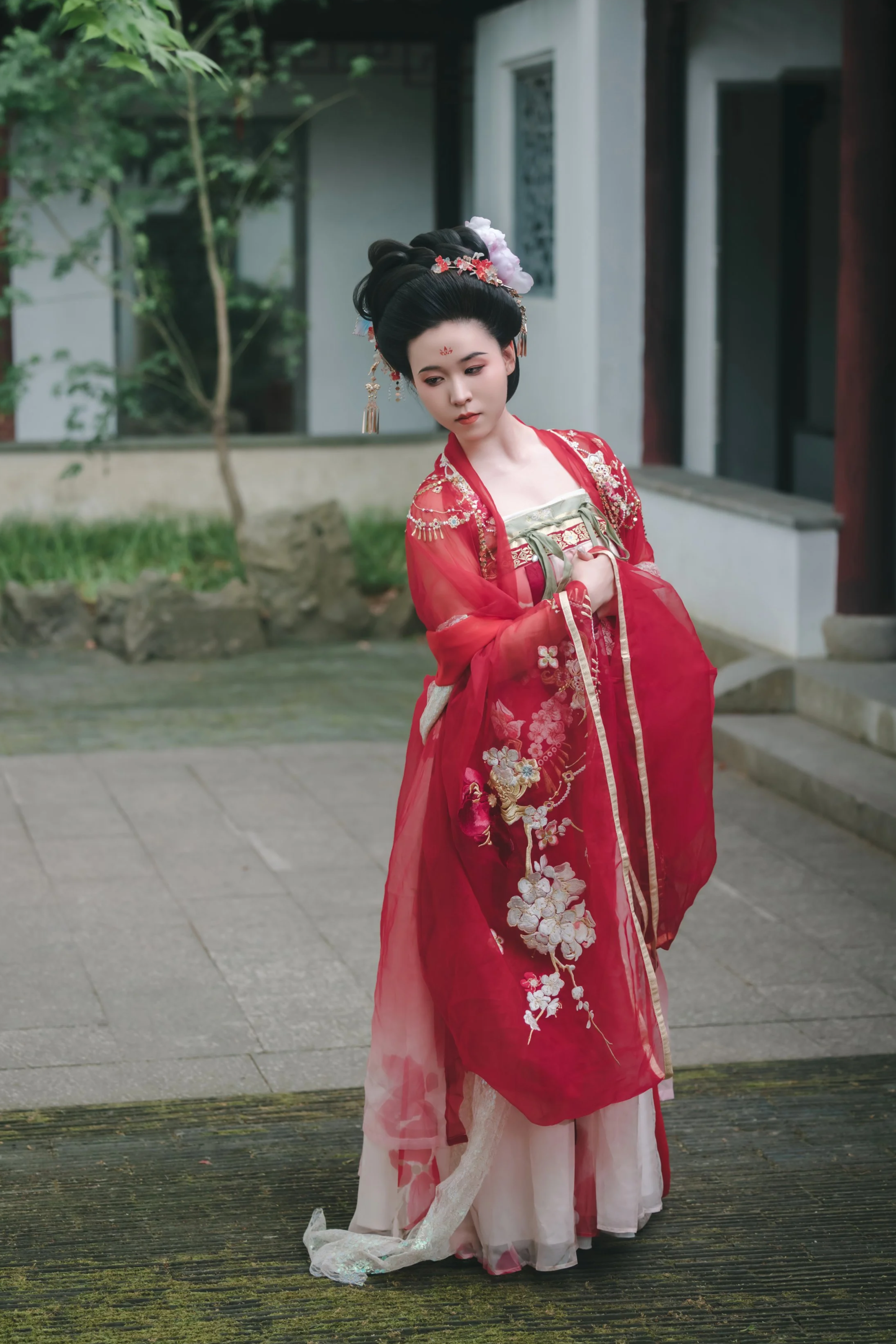
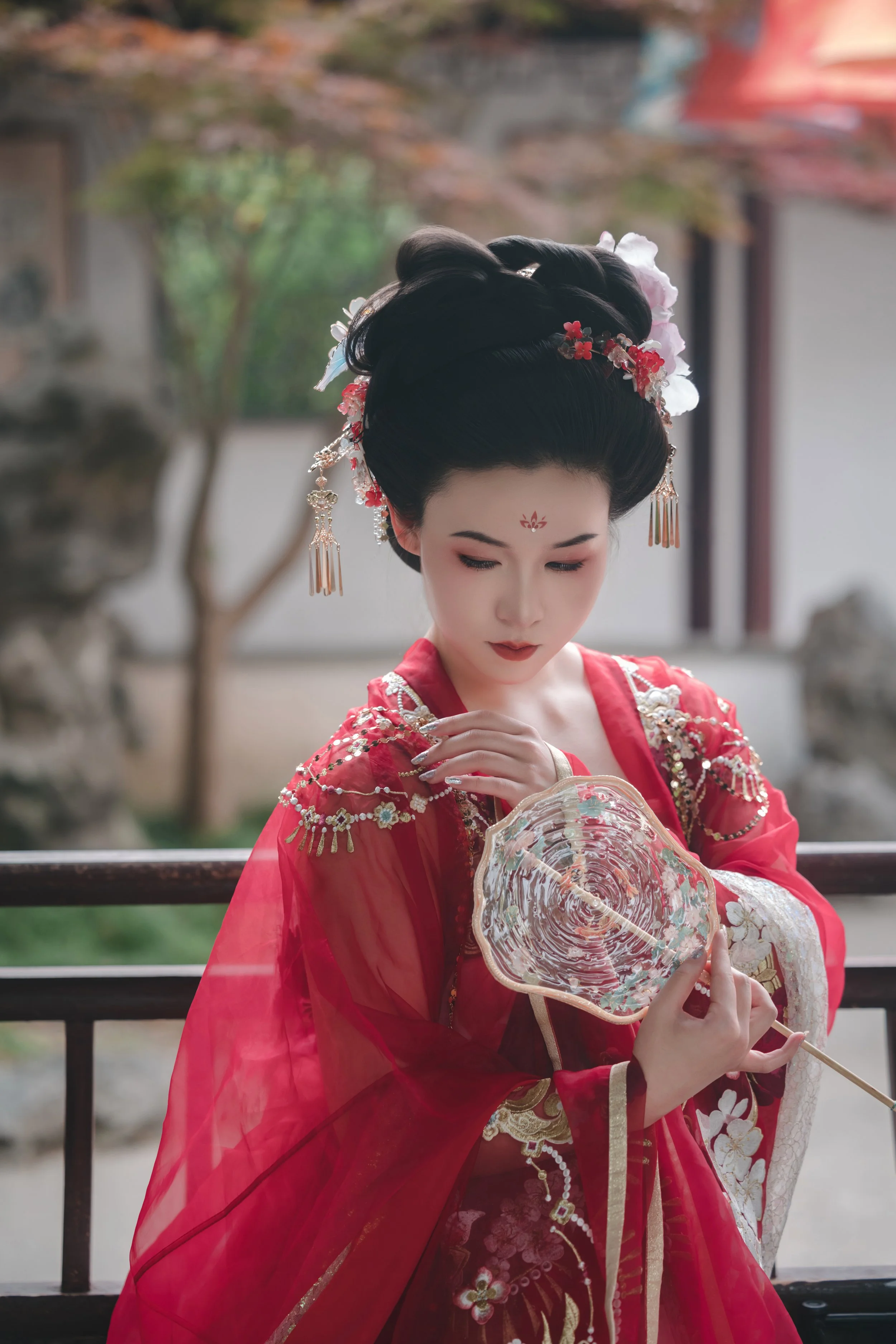
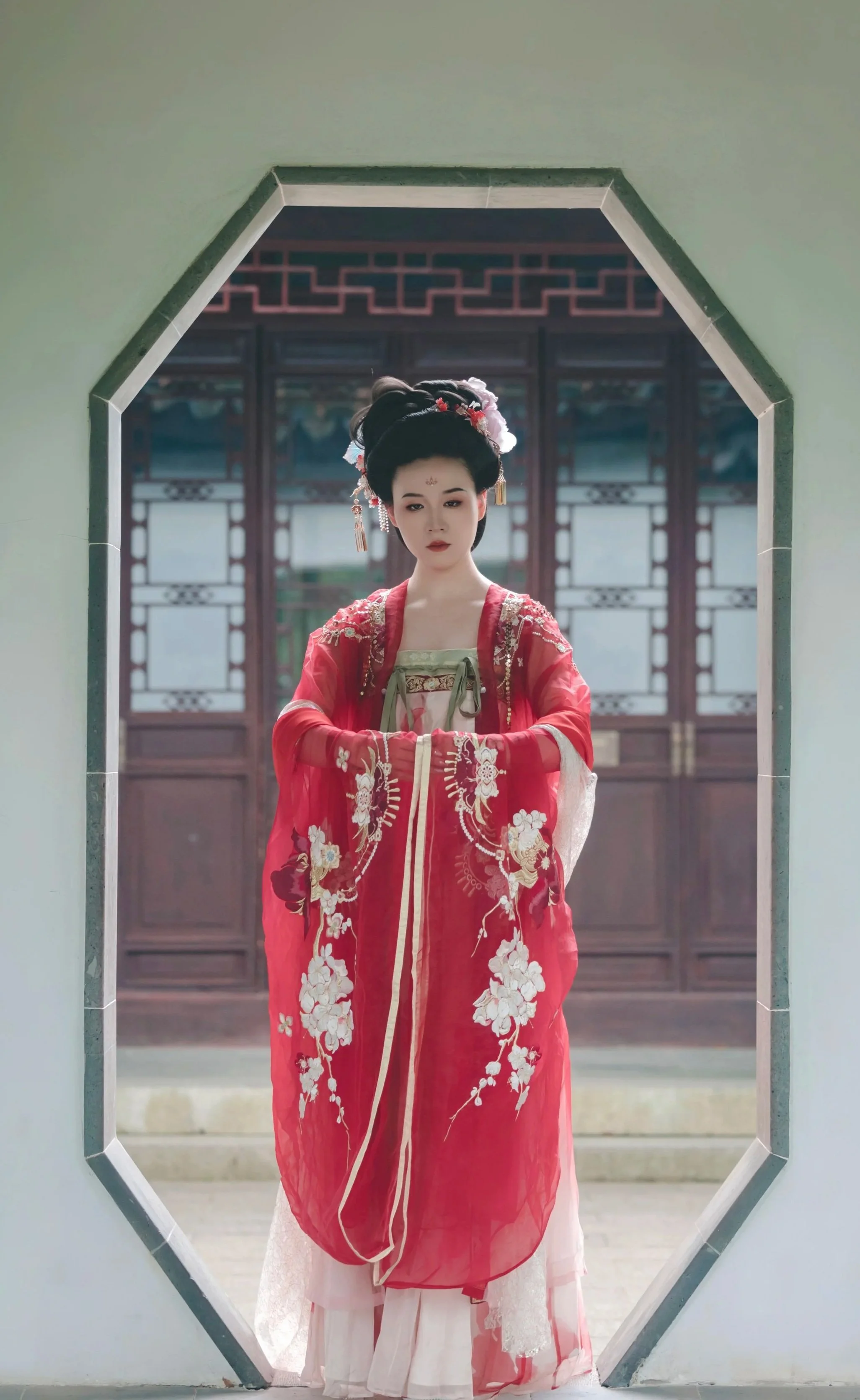
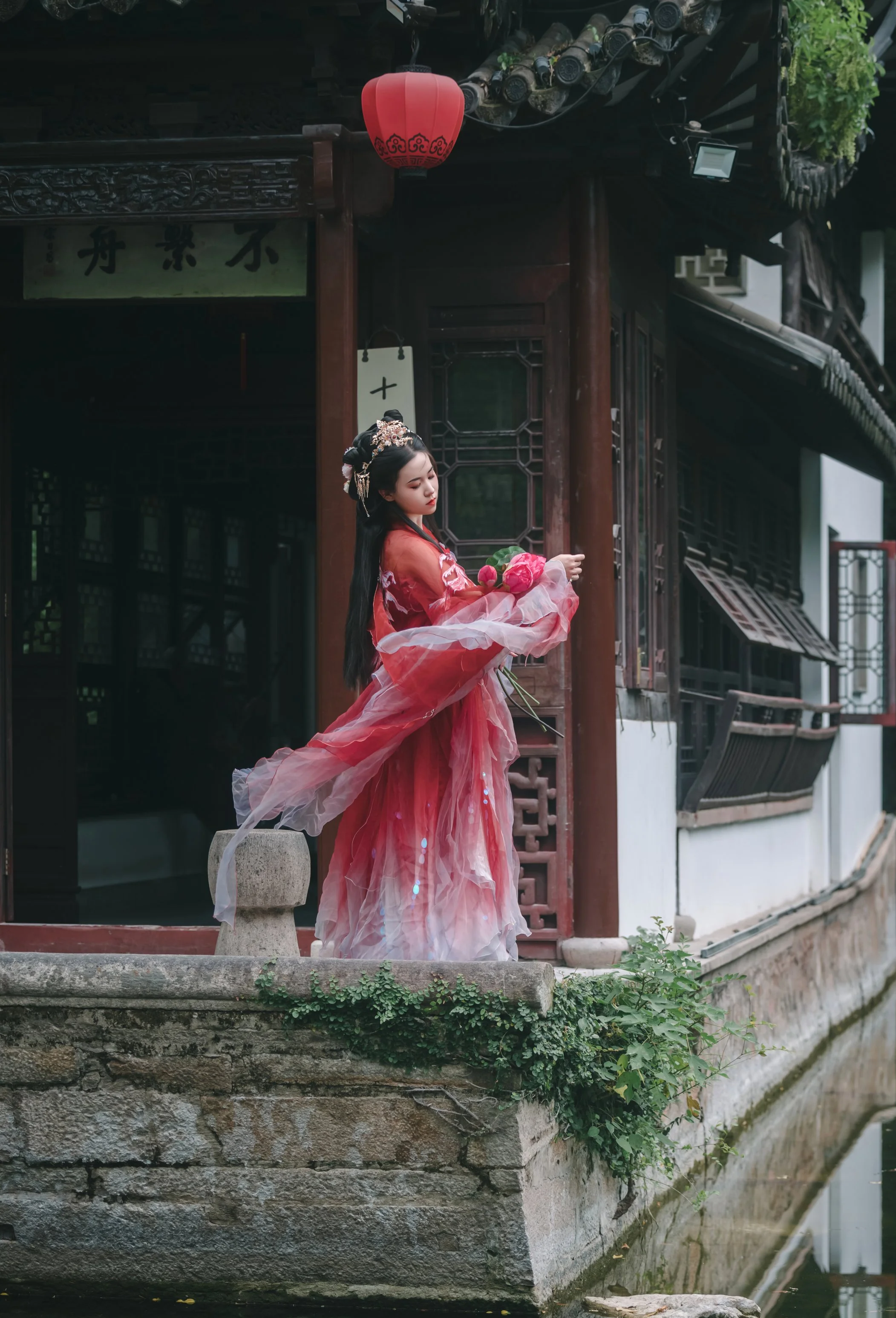
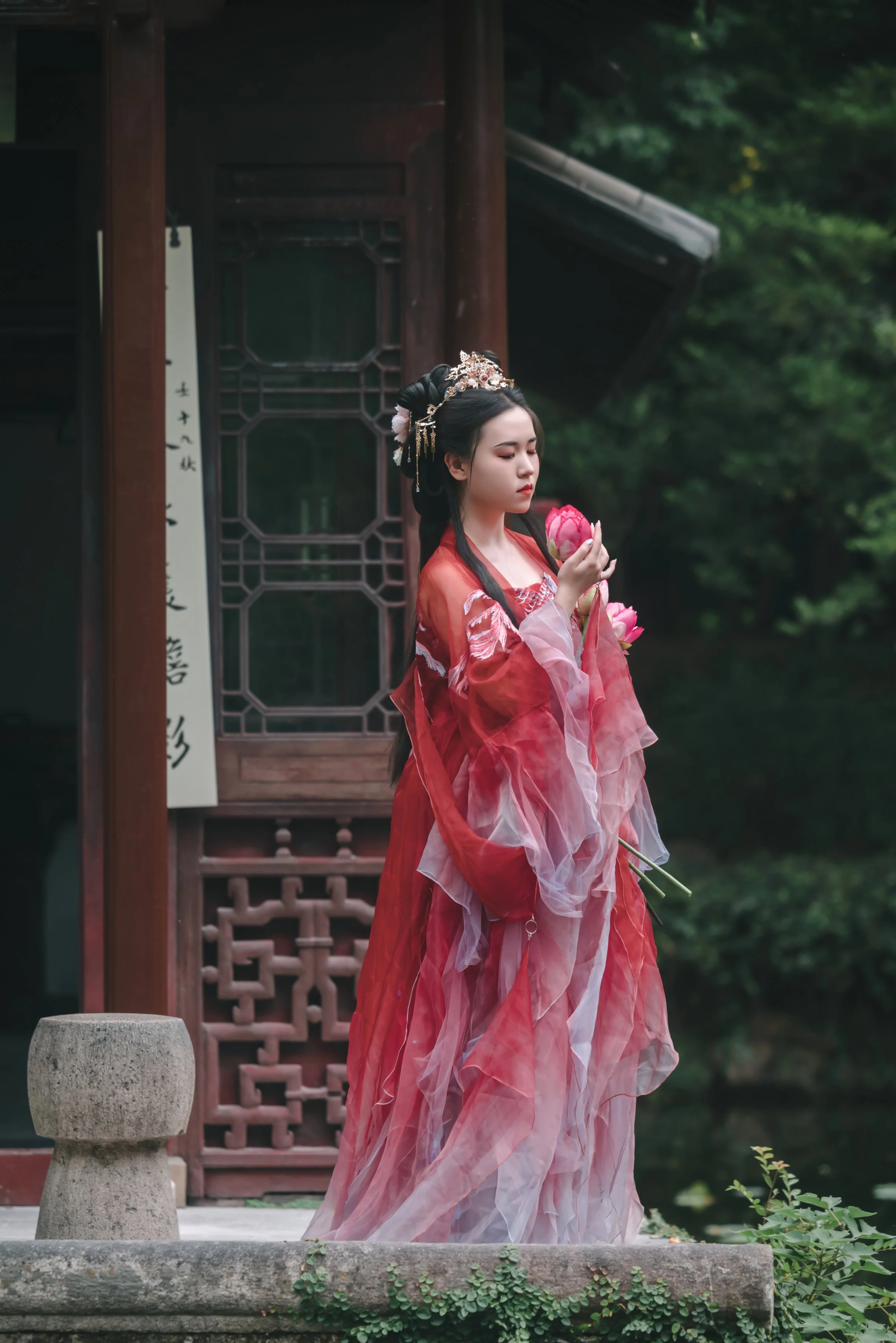
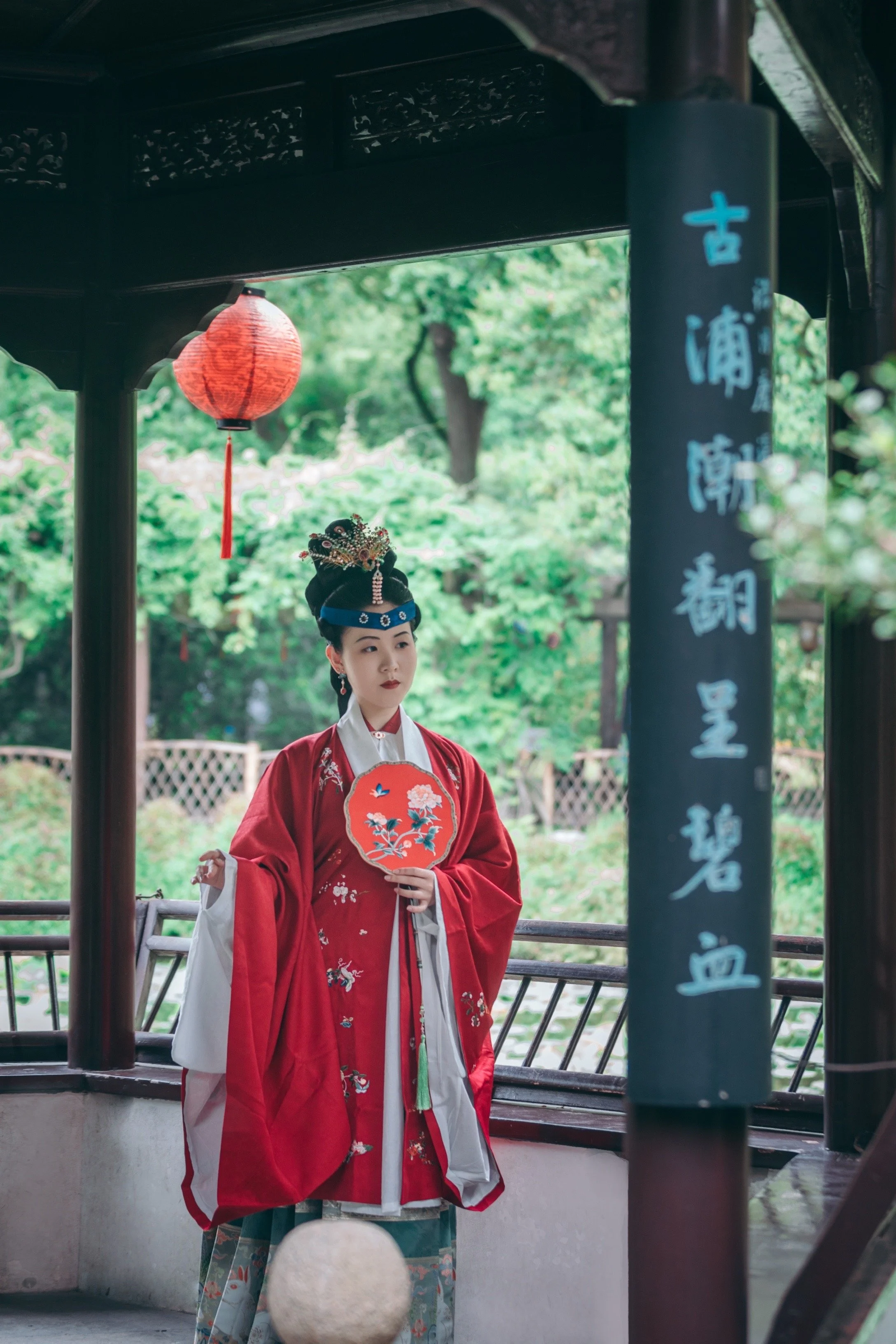
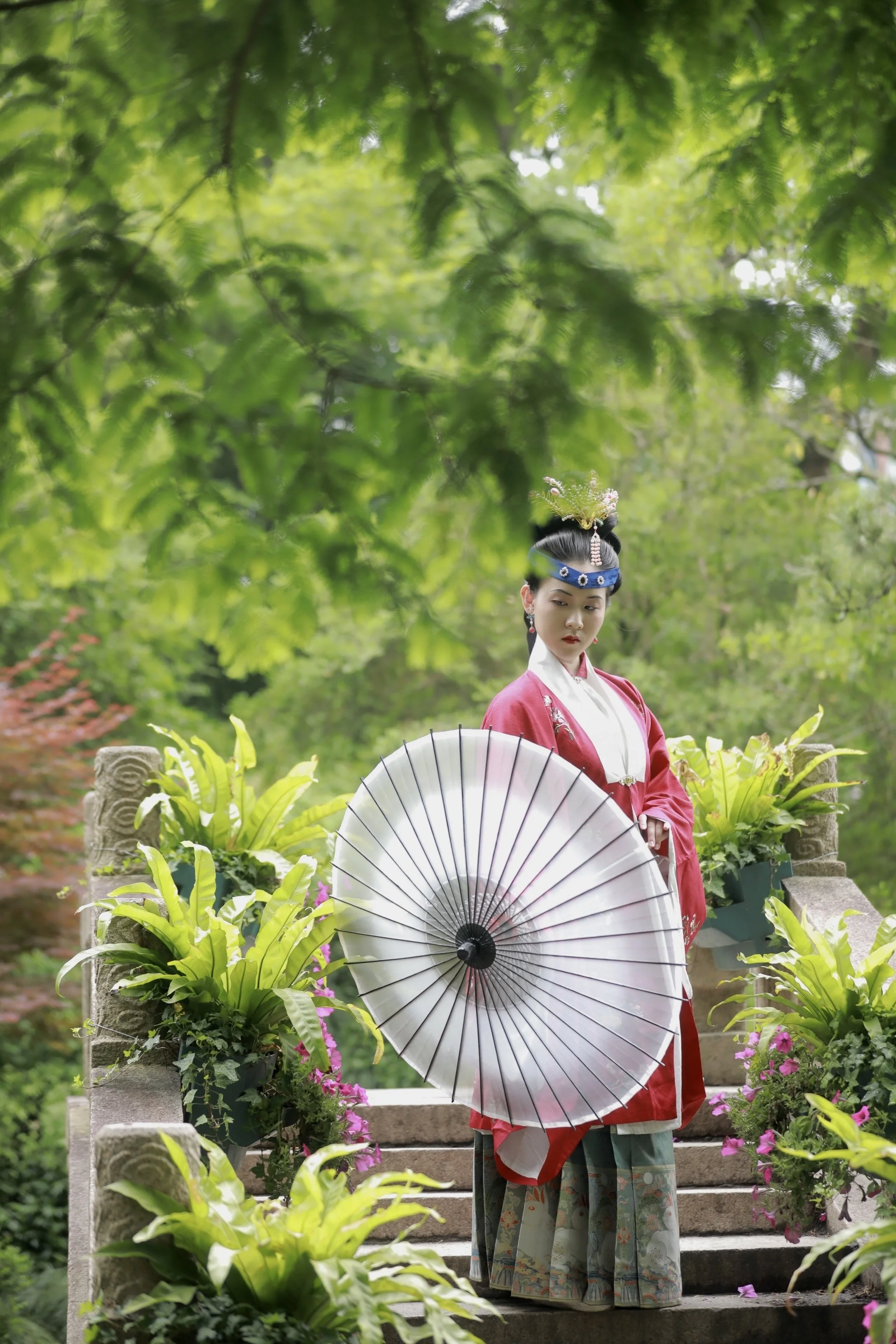
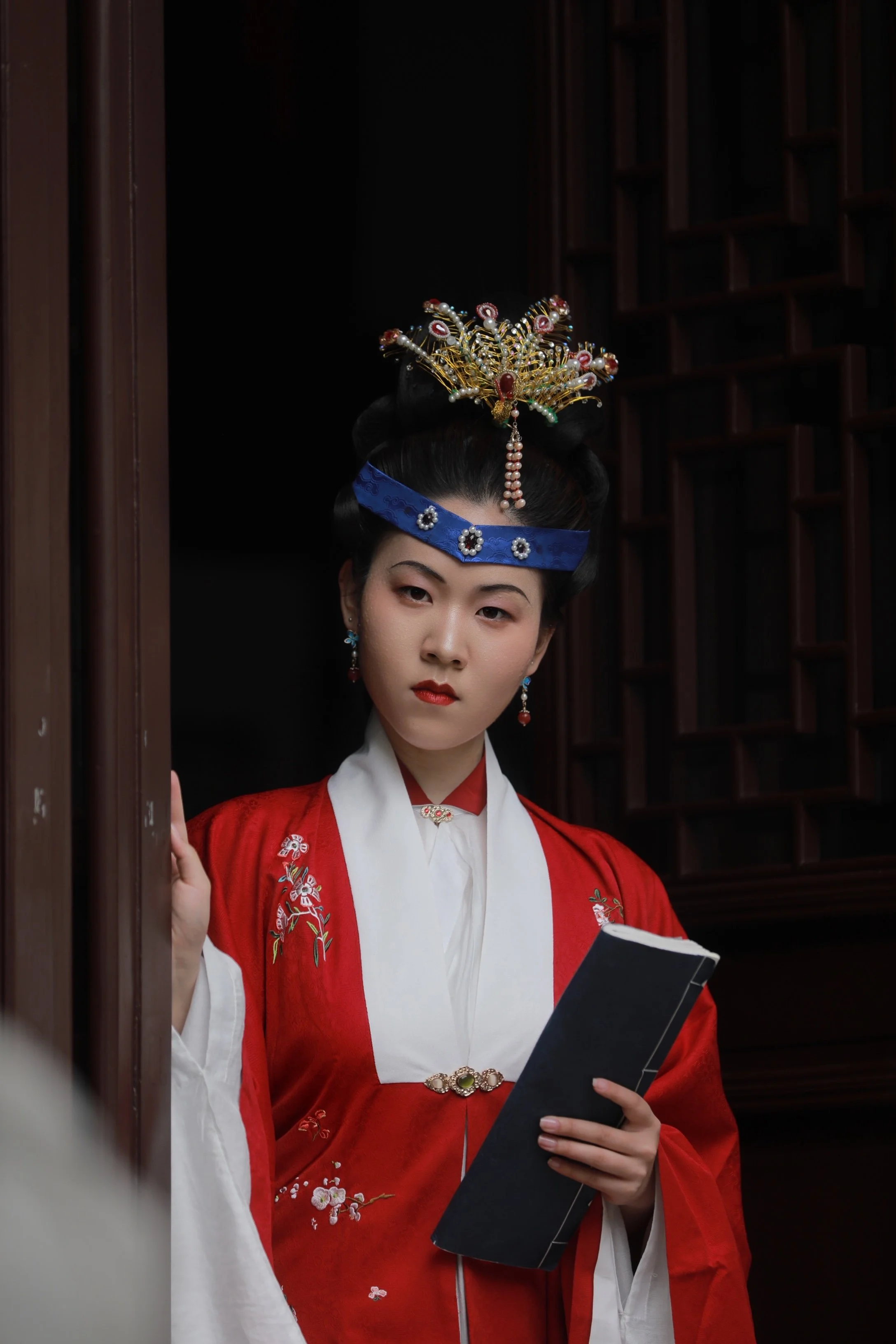
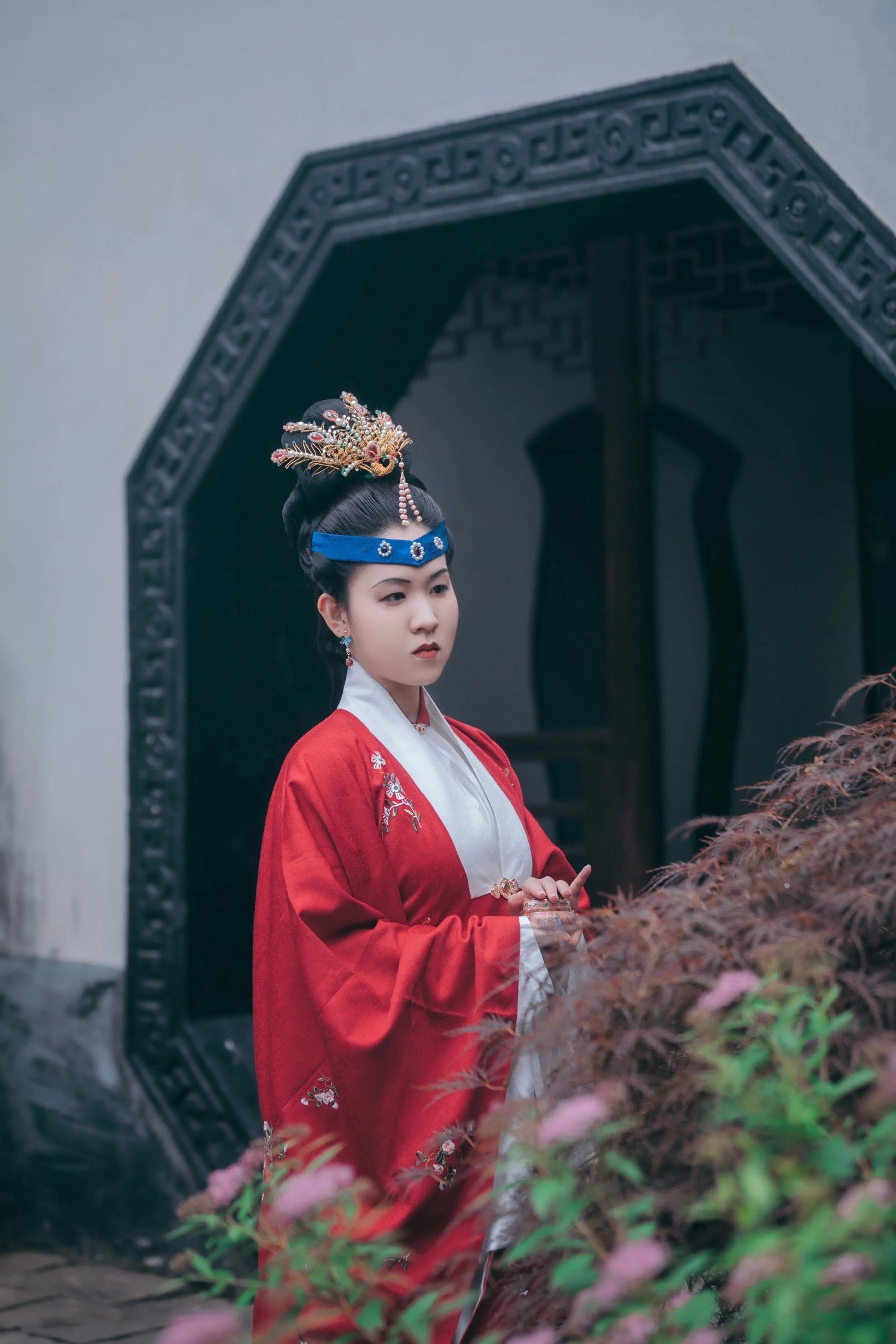
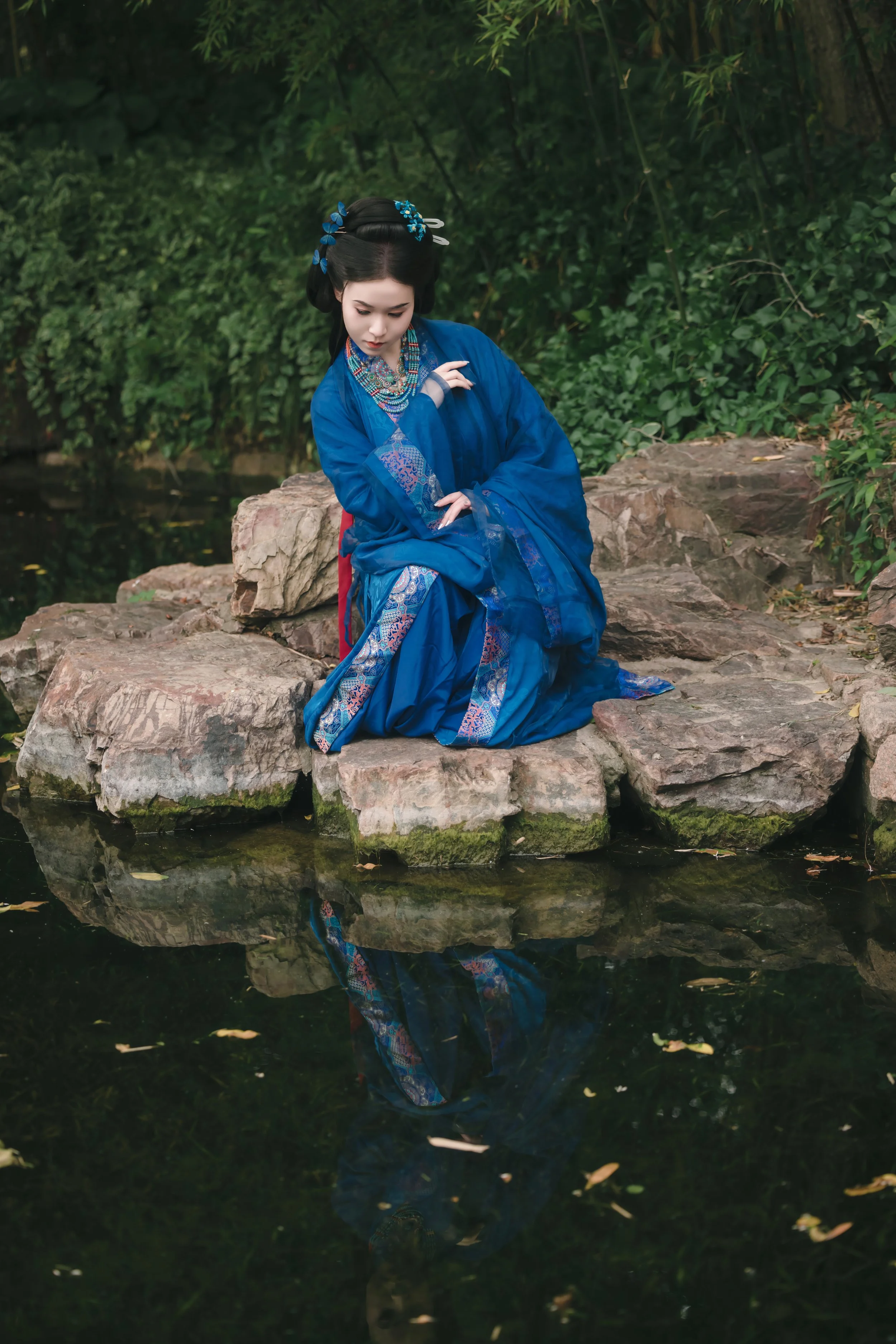
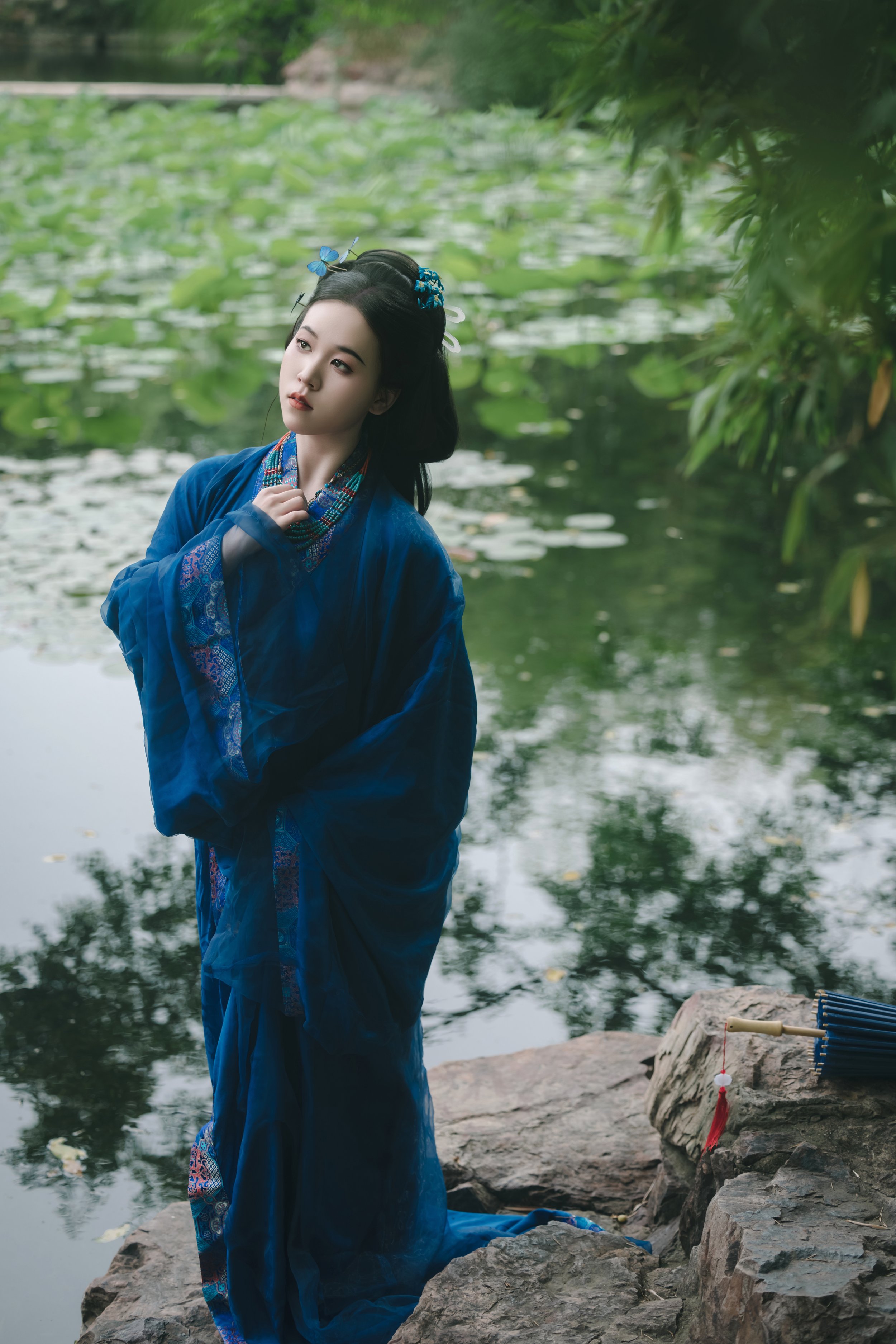
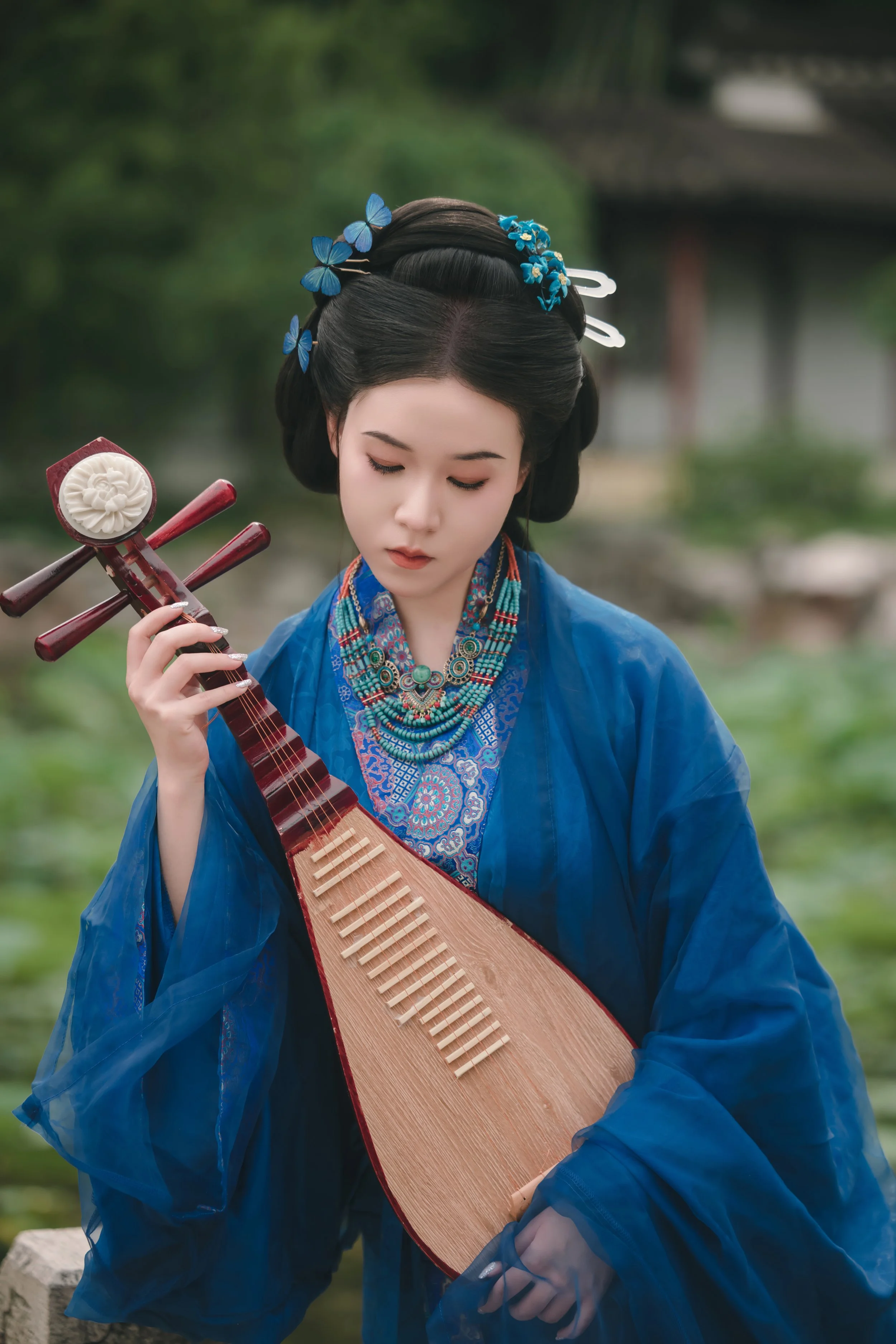
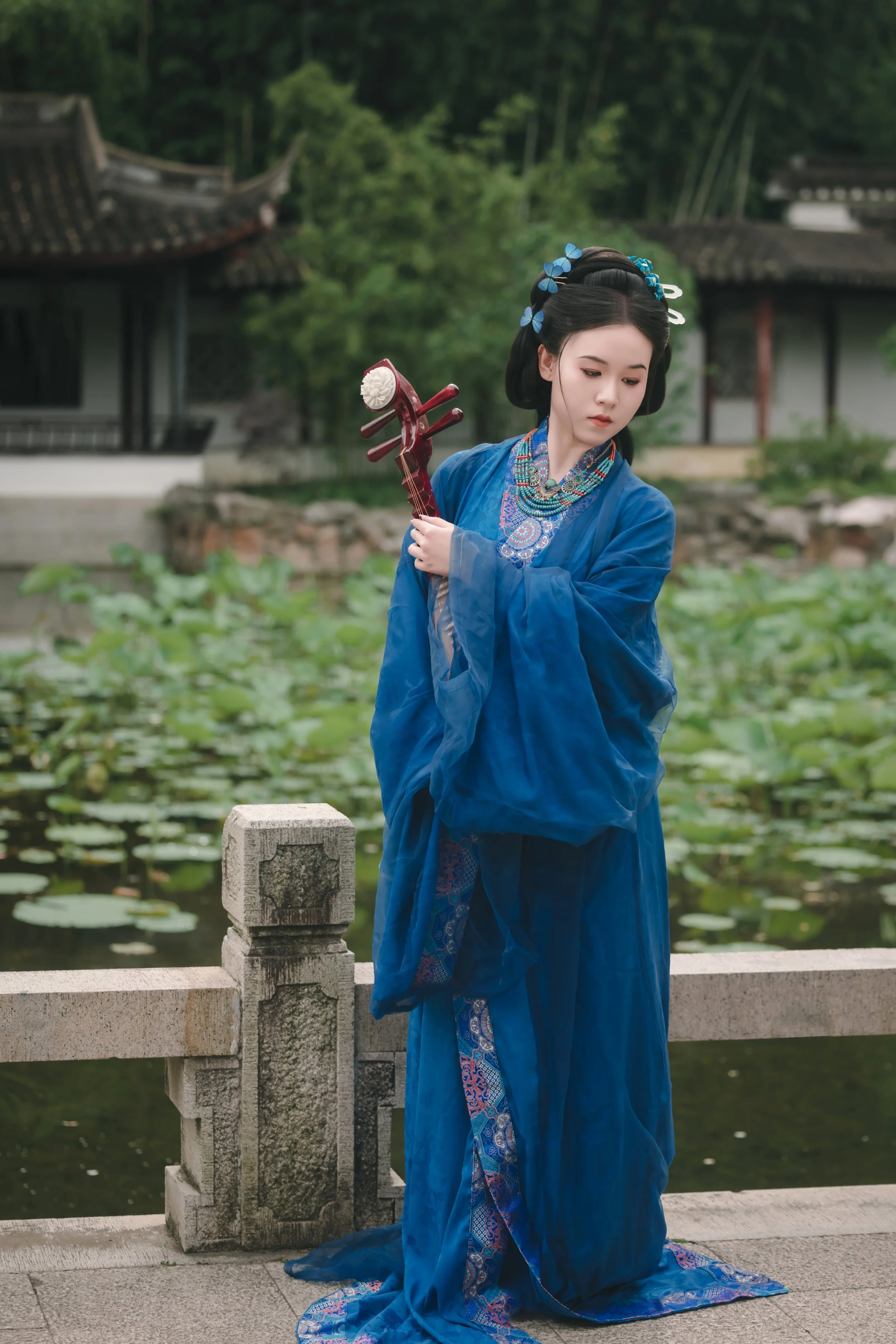
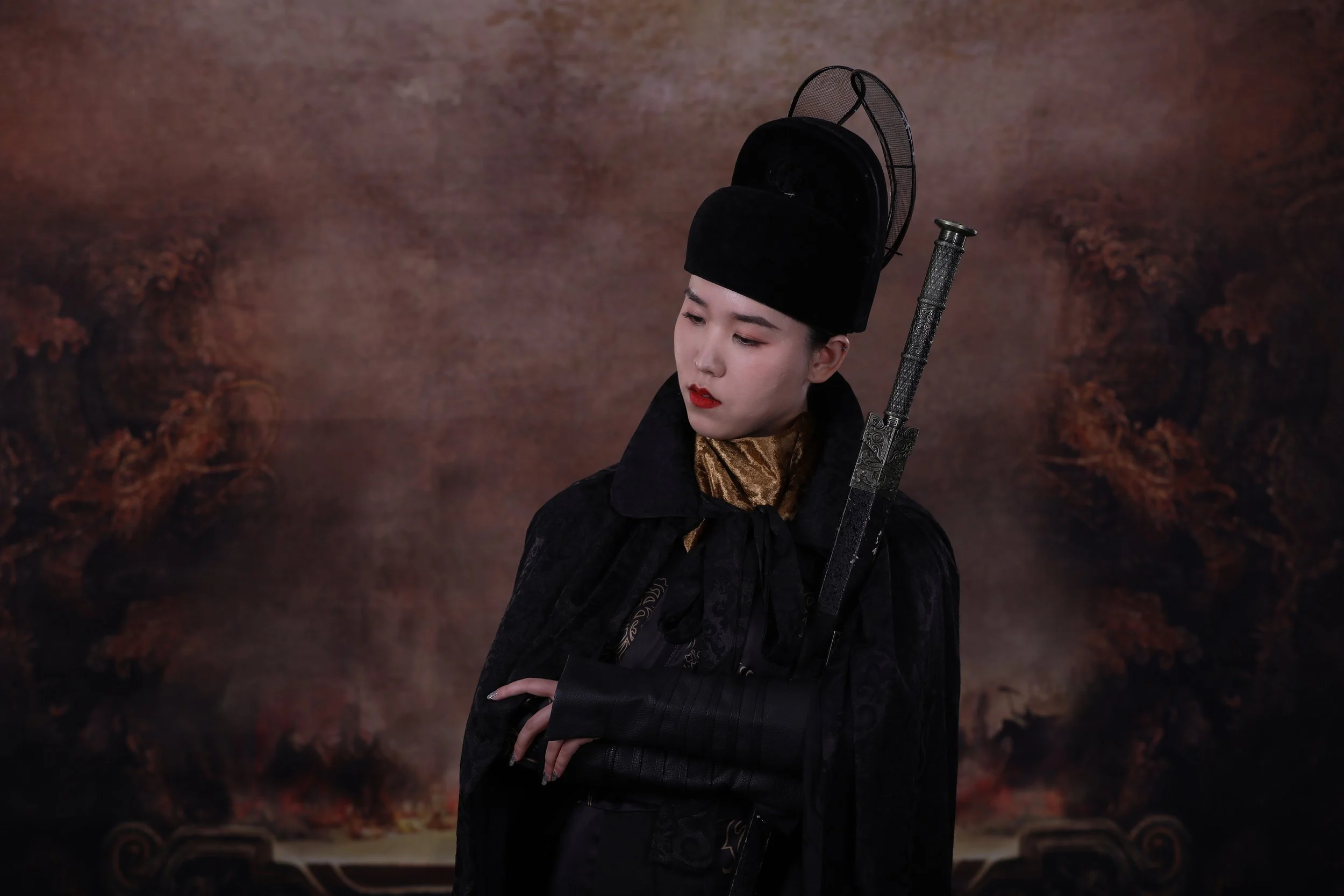
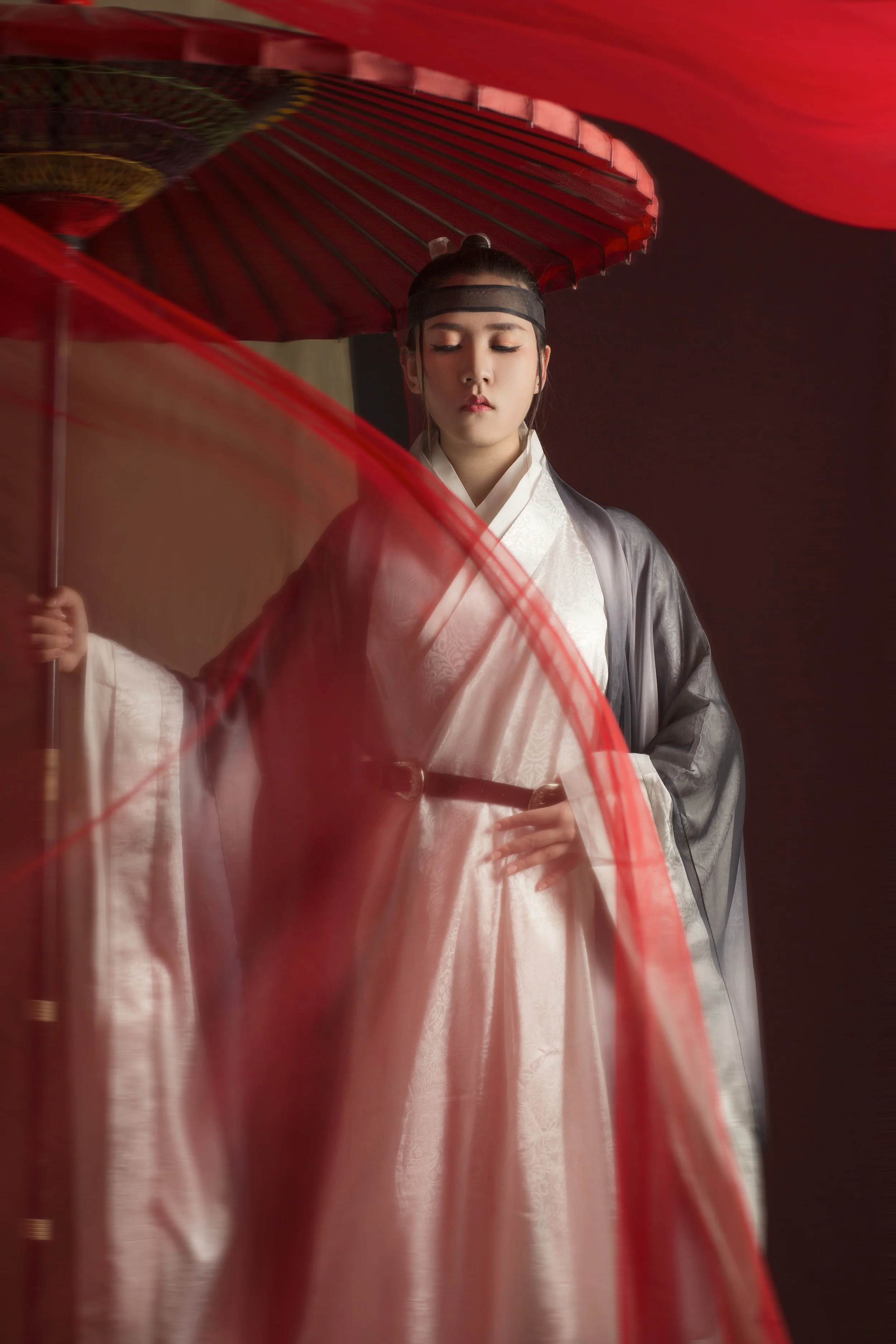
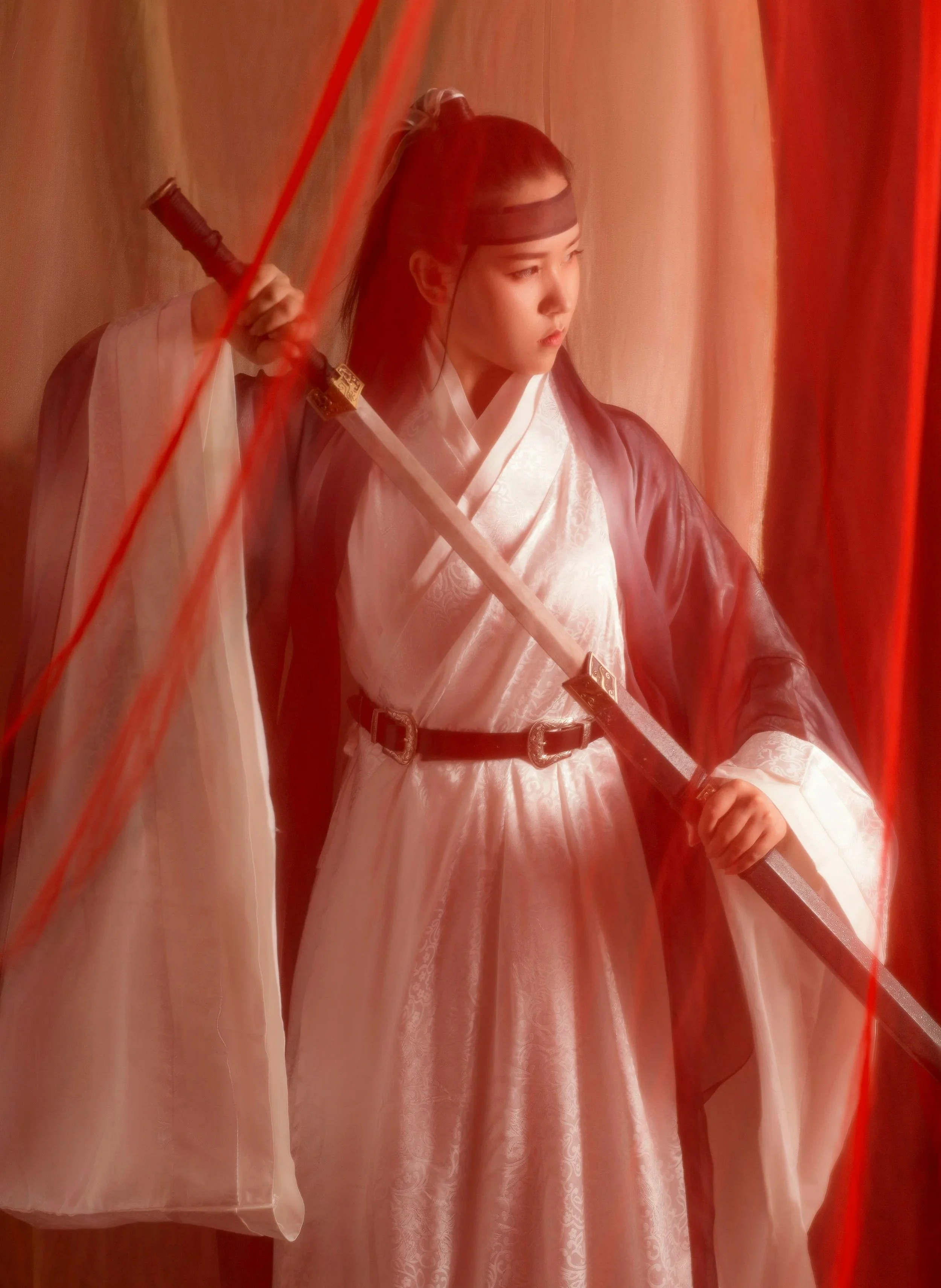
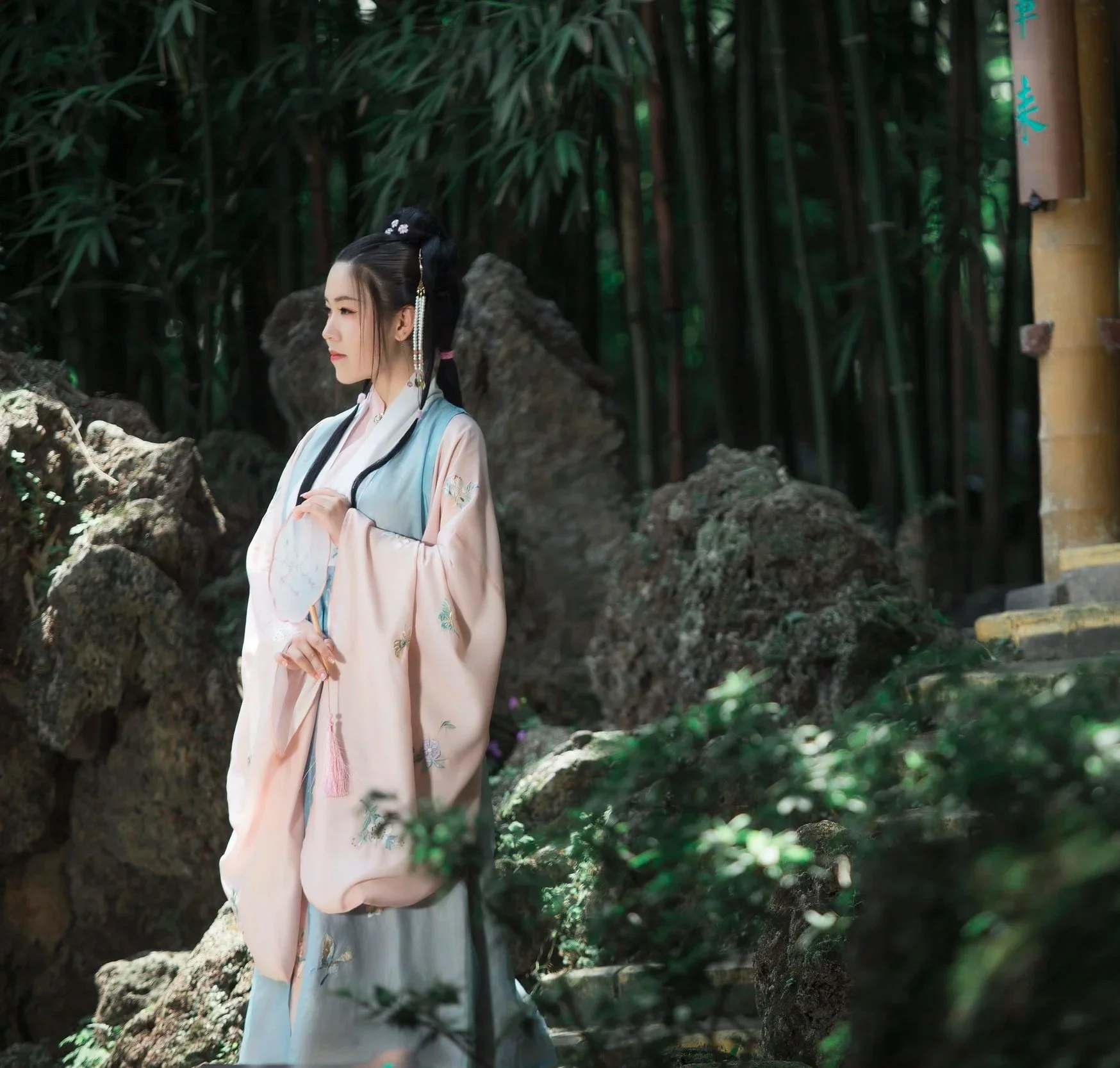
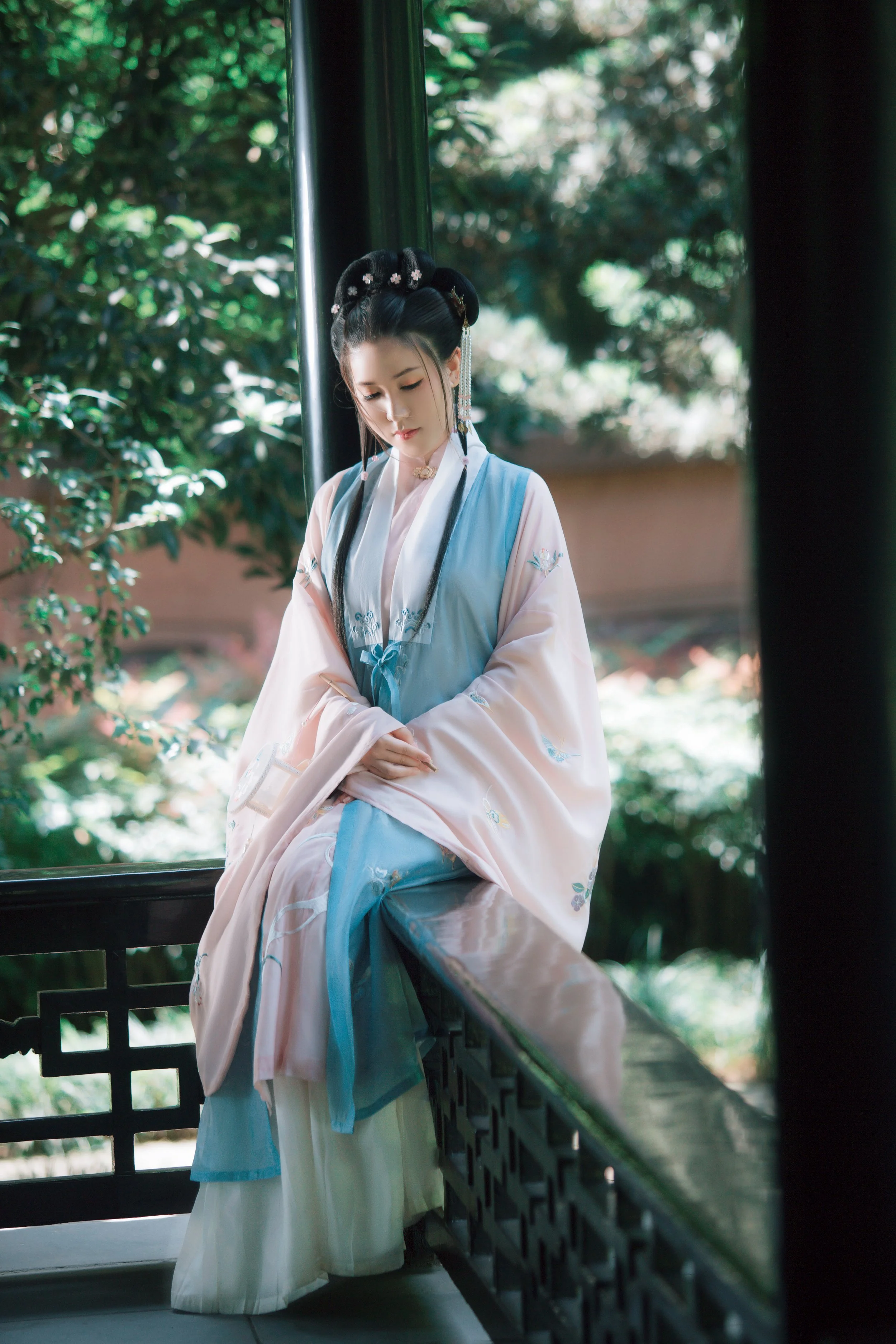
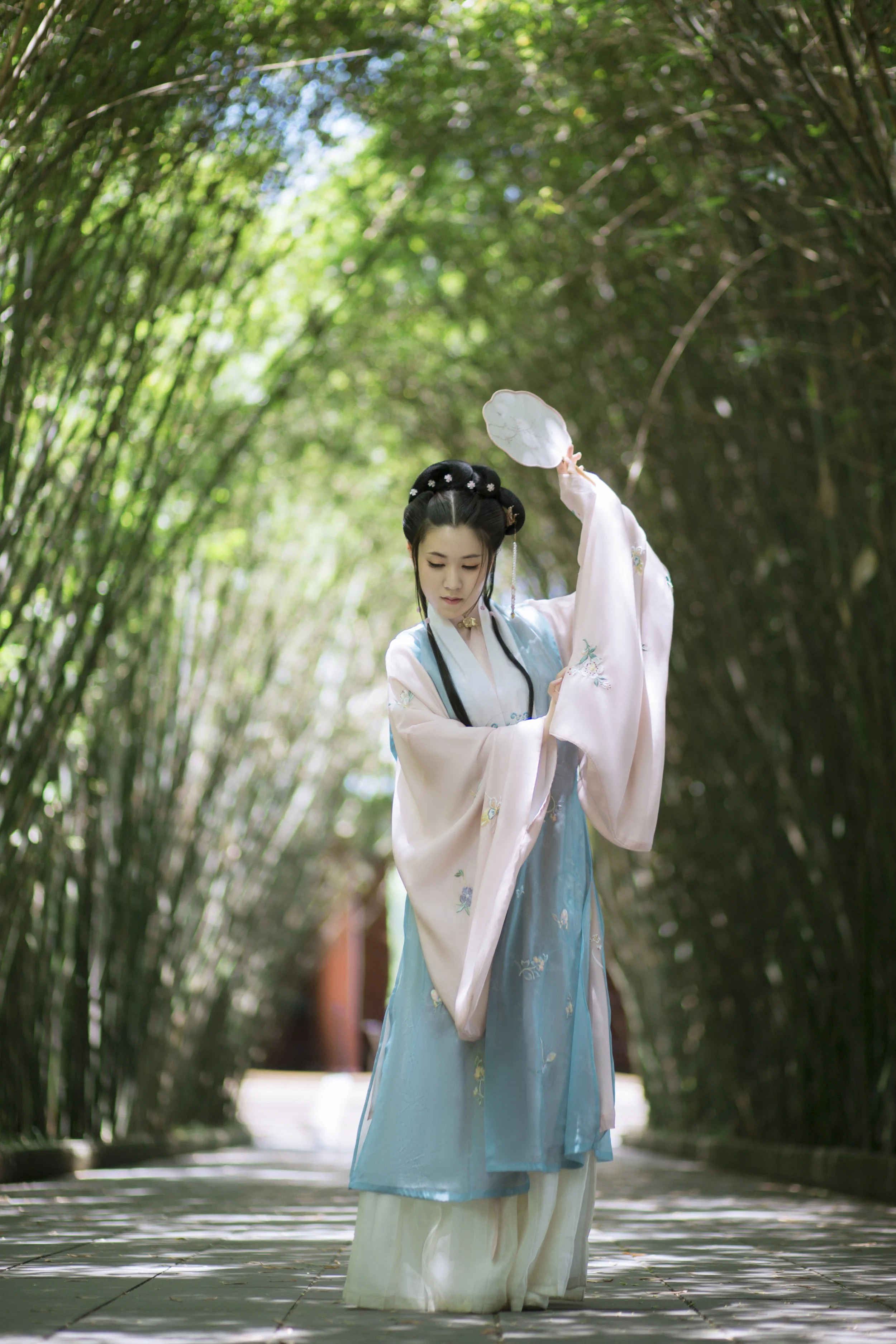
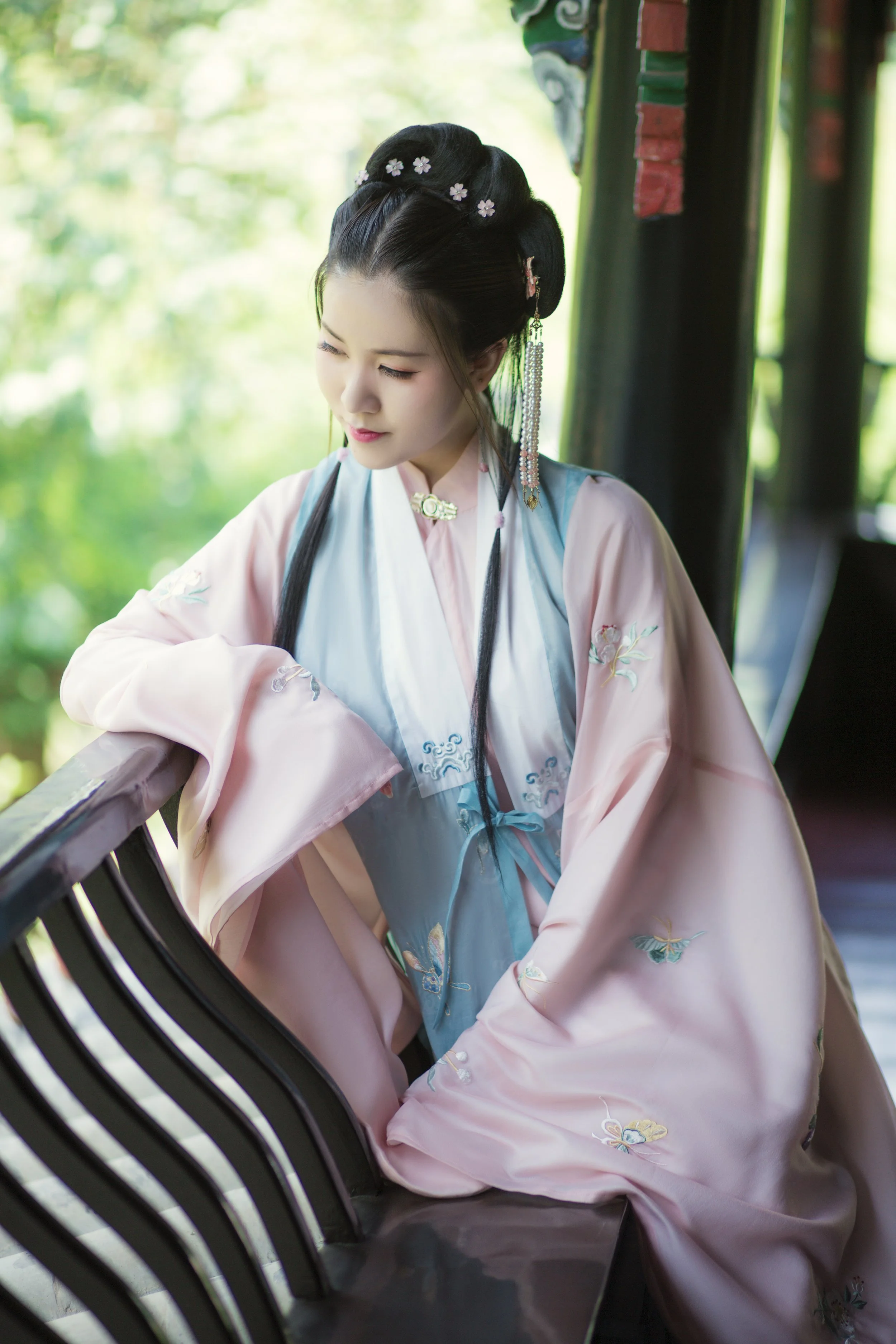
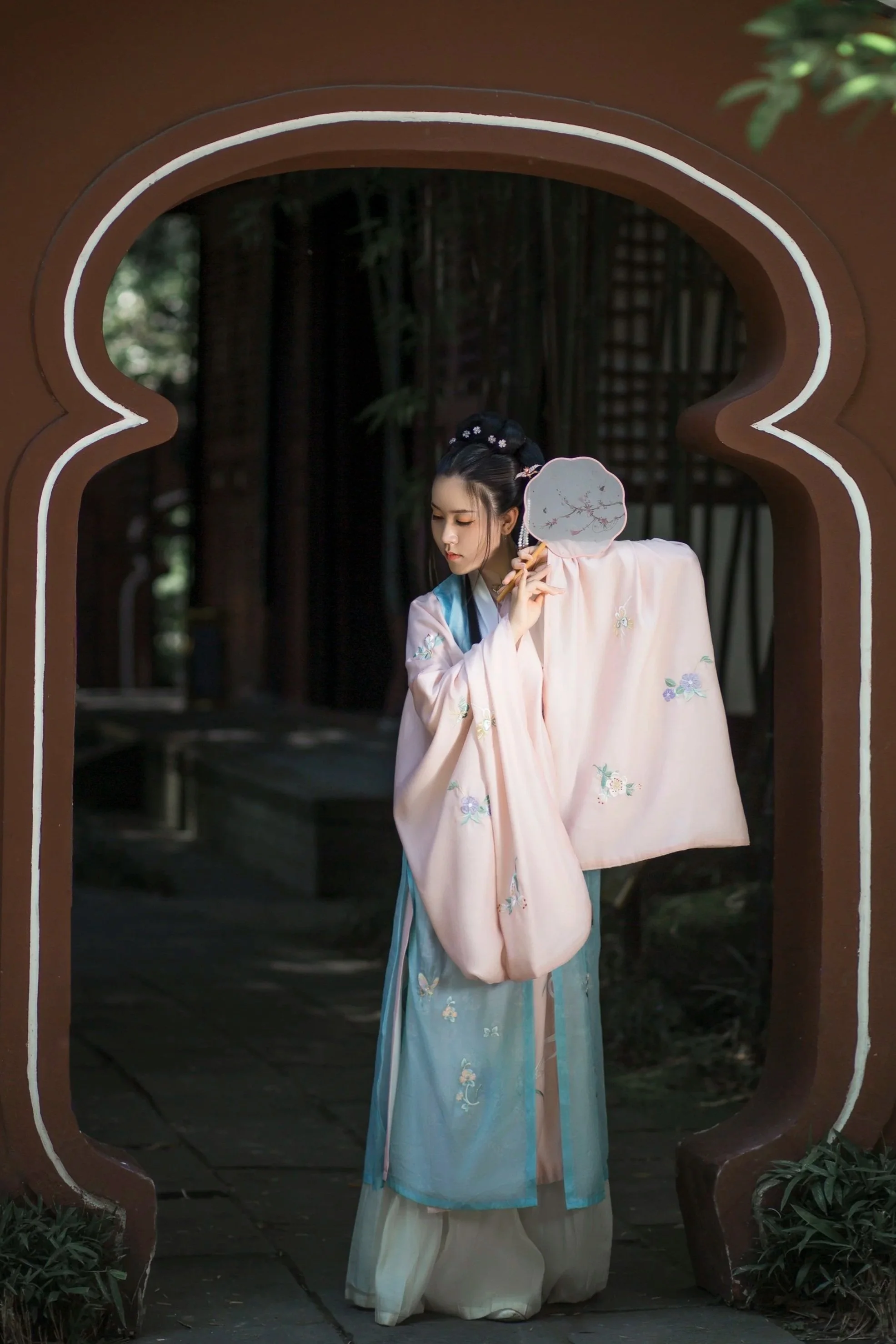
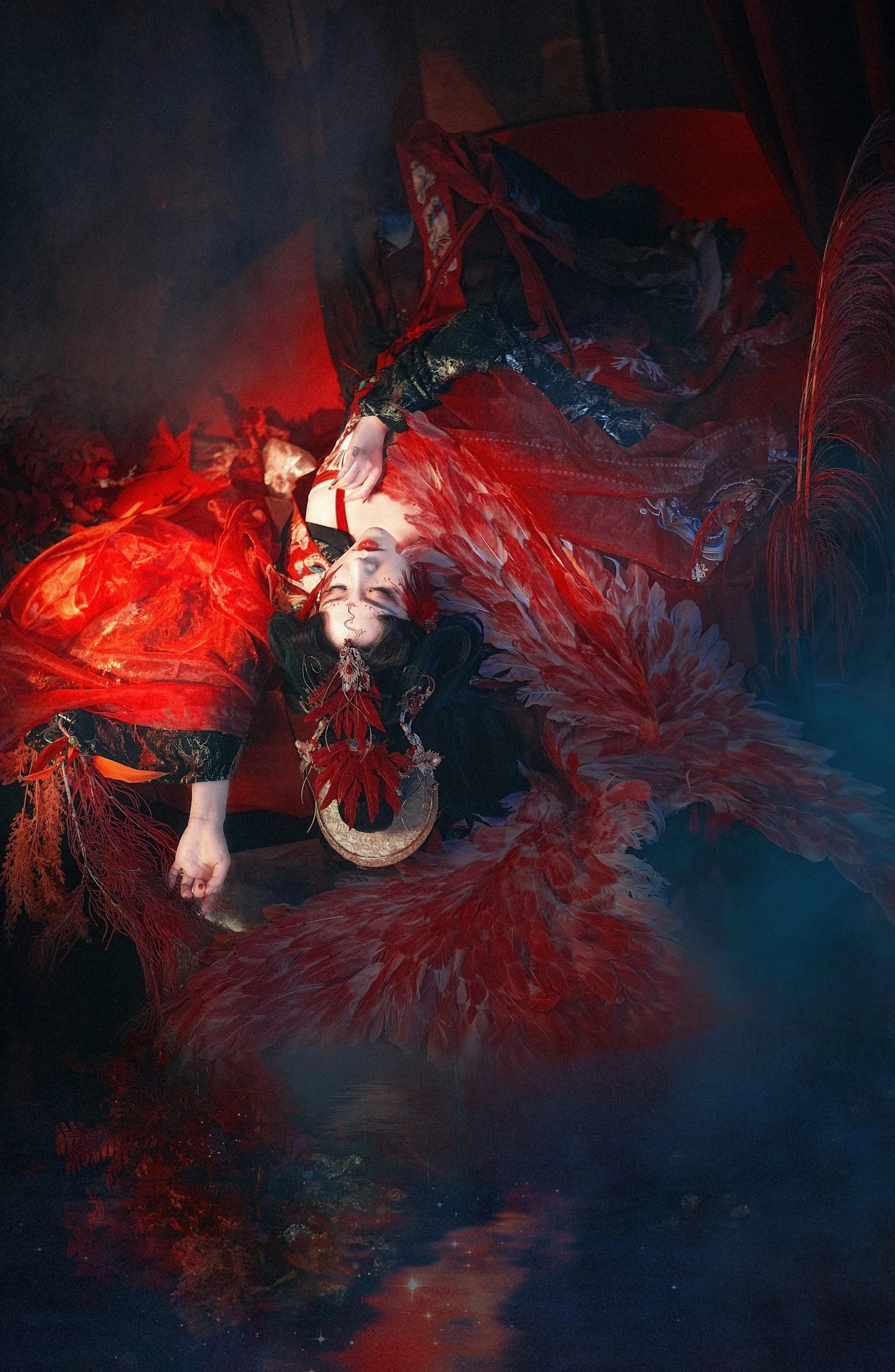
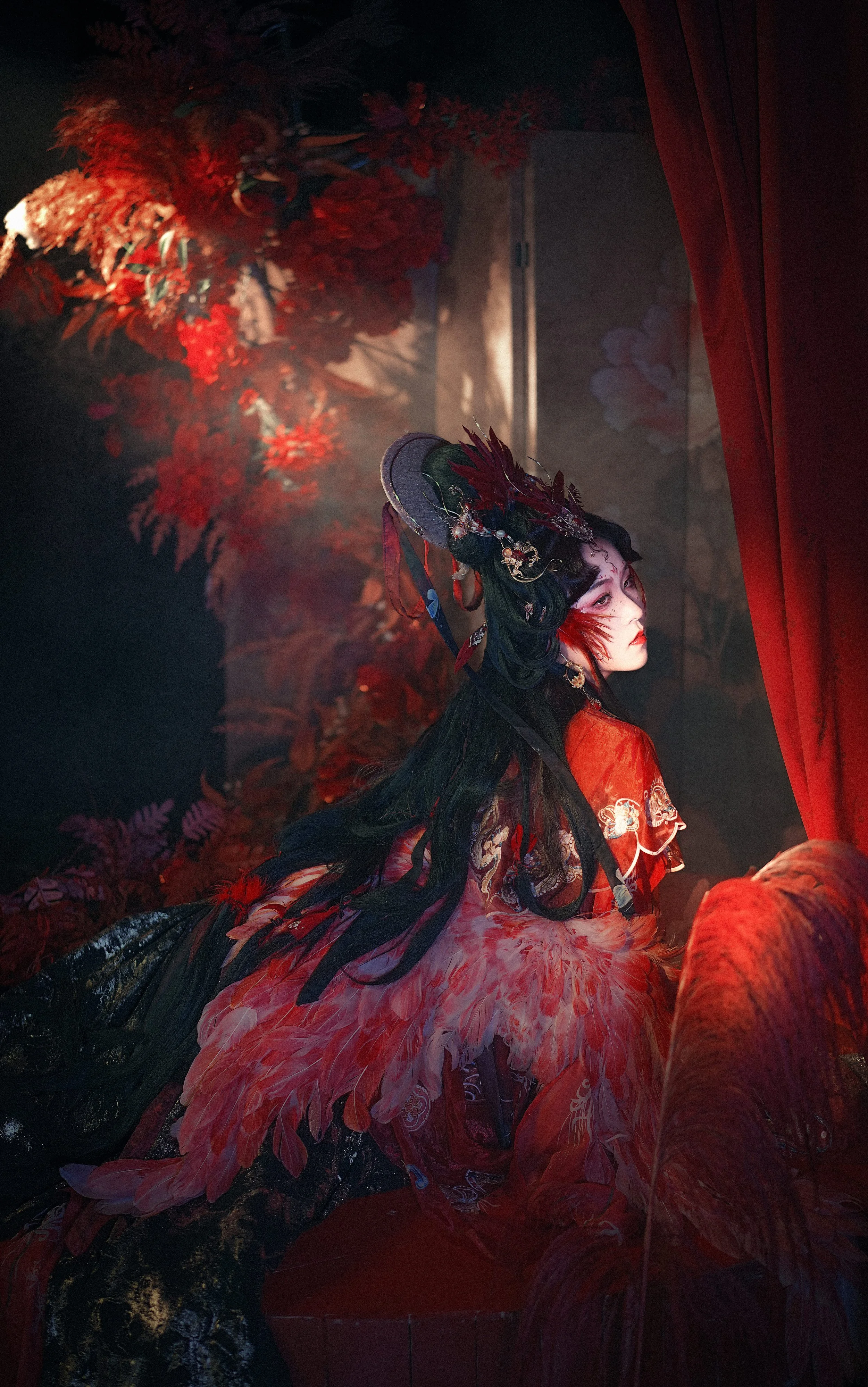
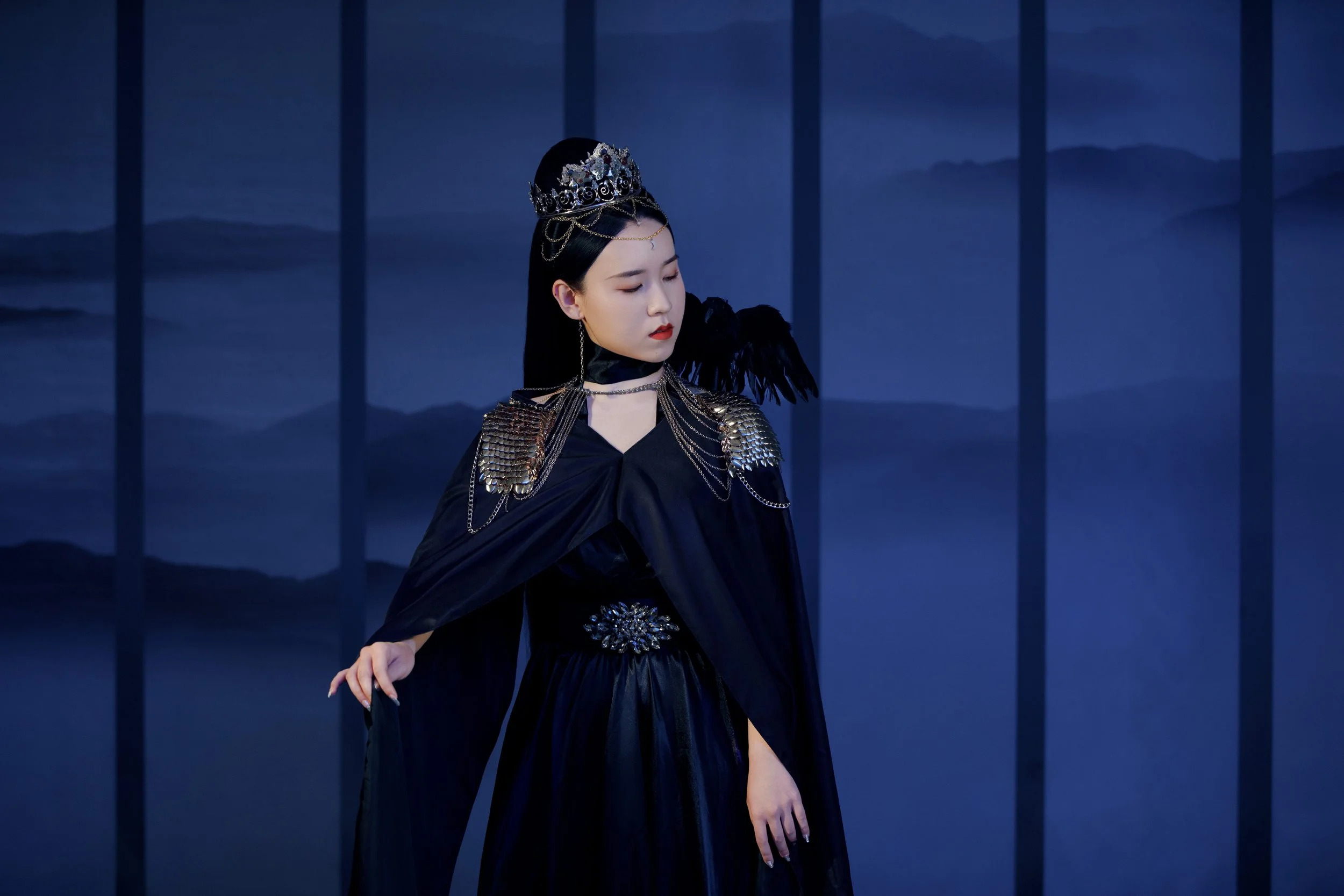
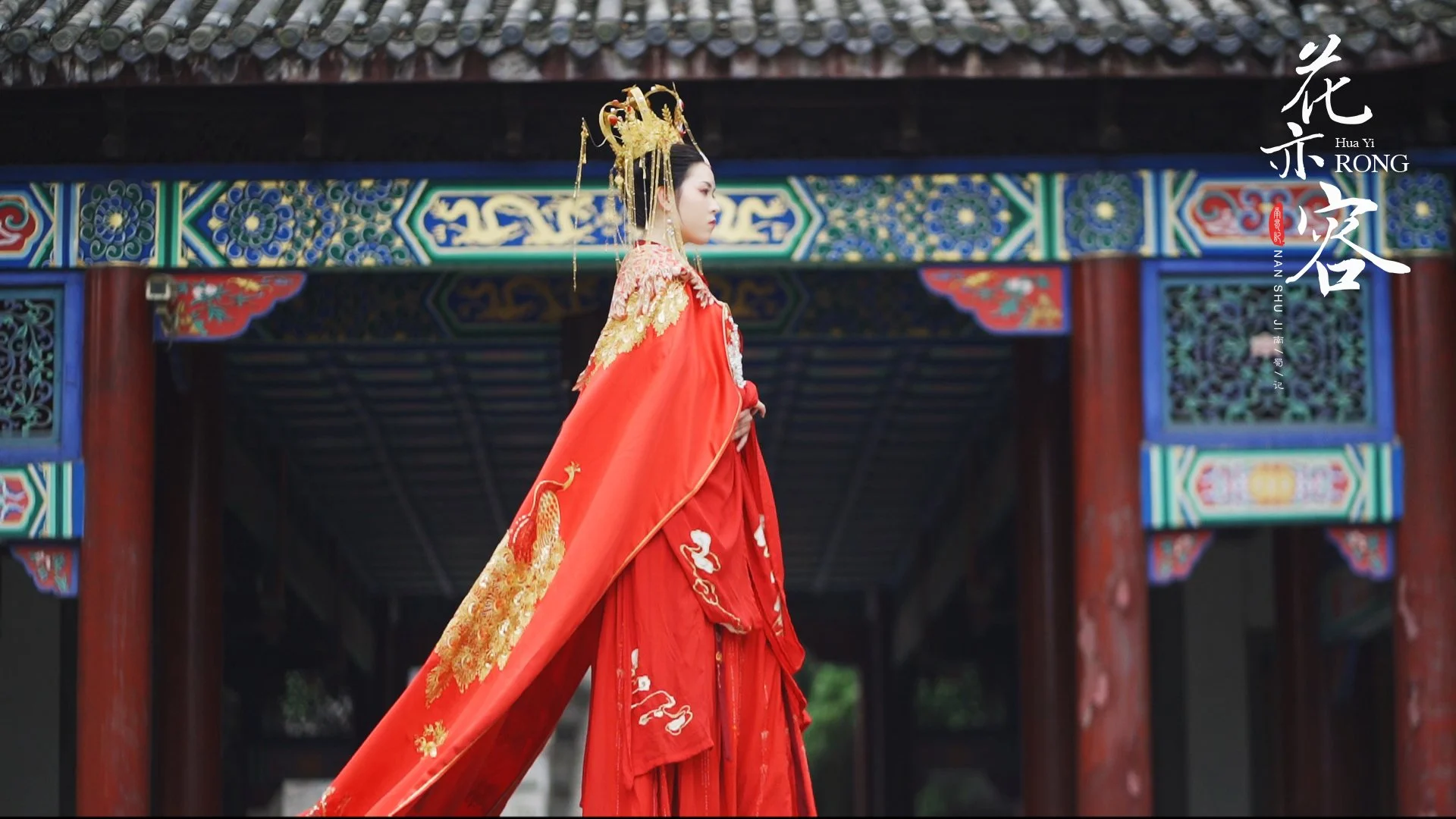
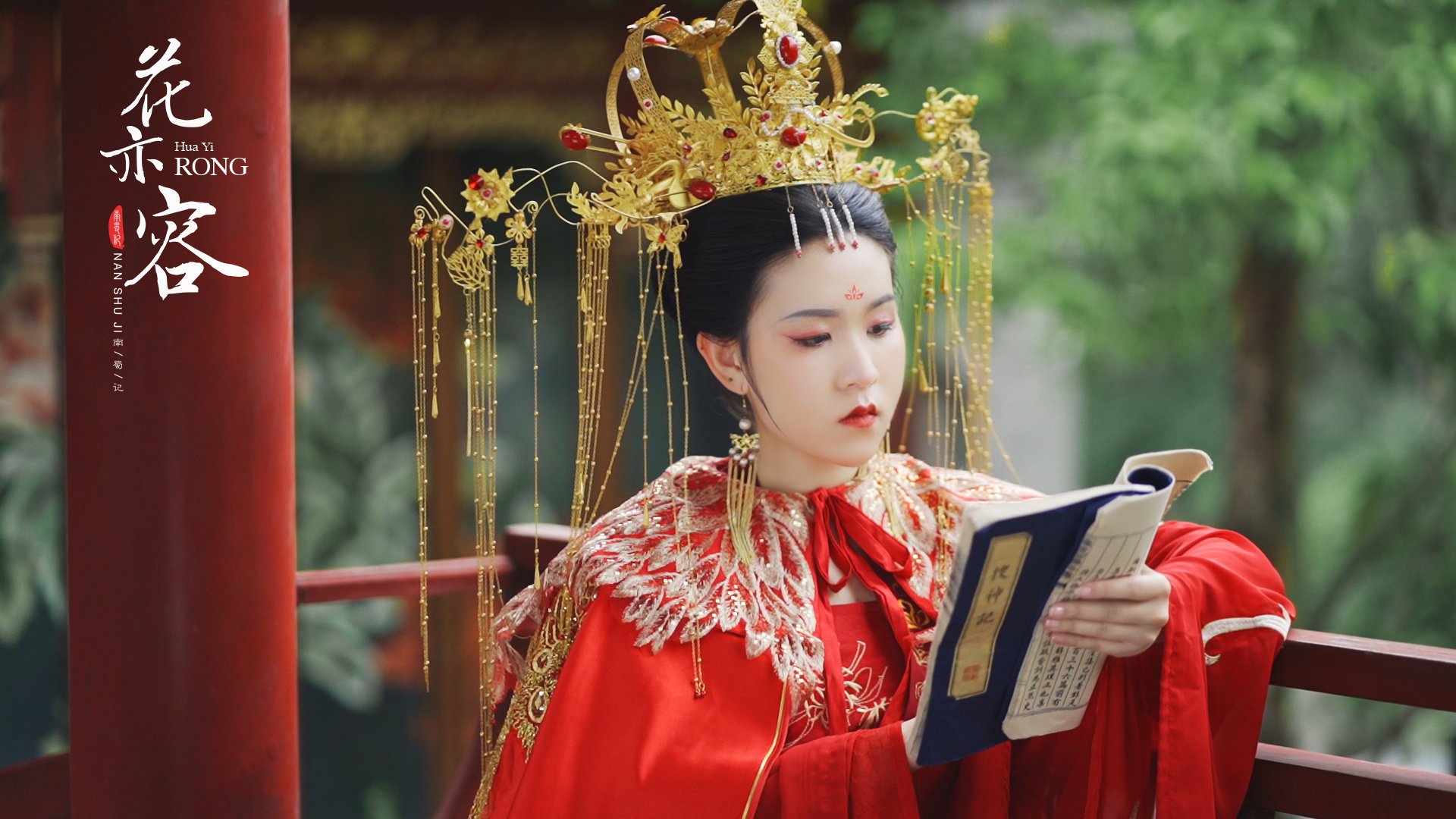
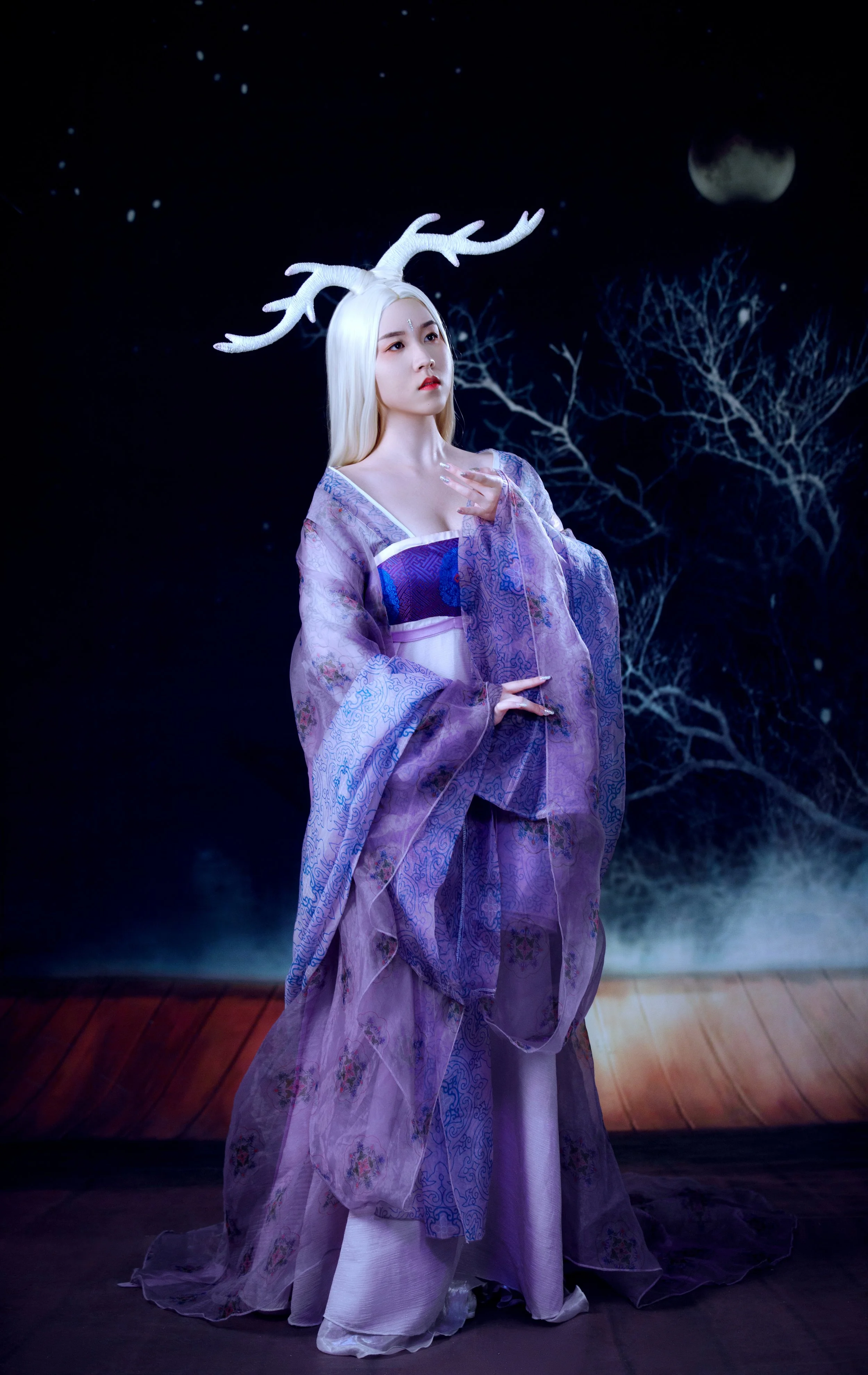
My work with Hanfu, classical Chinese clothing, and classical Chinese performance is not separate from my work as a producer and dramaturg. It is an embodied extension of the same artistic inquiry: how history lives in the body, how clothing shapes gesture, how ritual creates meaning, and how cultural memory can be translated for contemporary audiences.
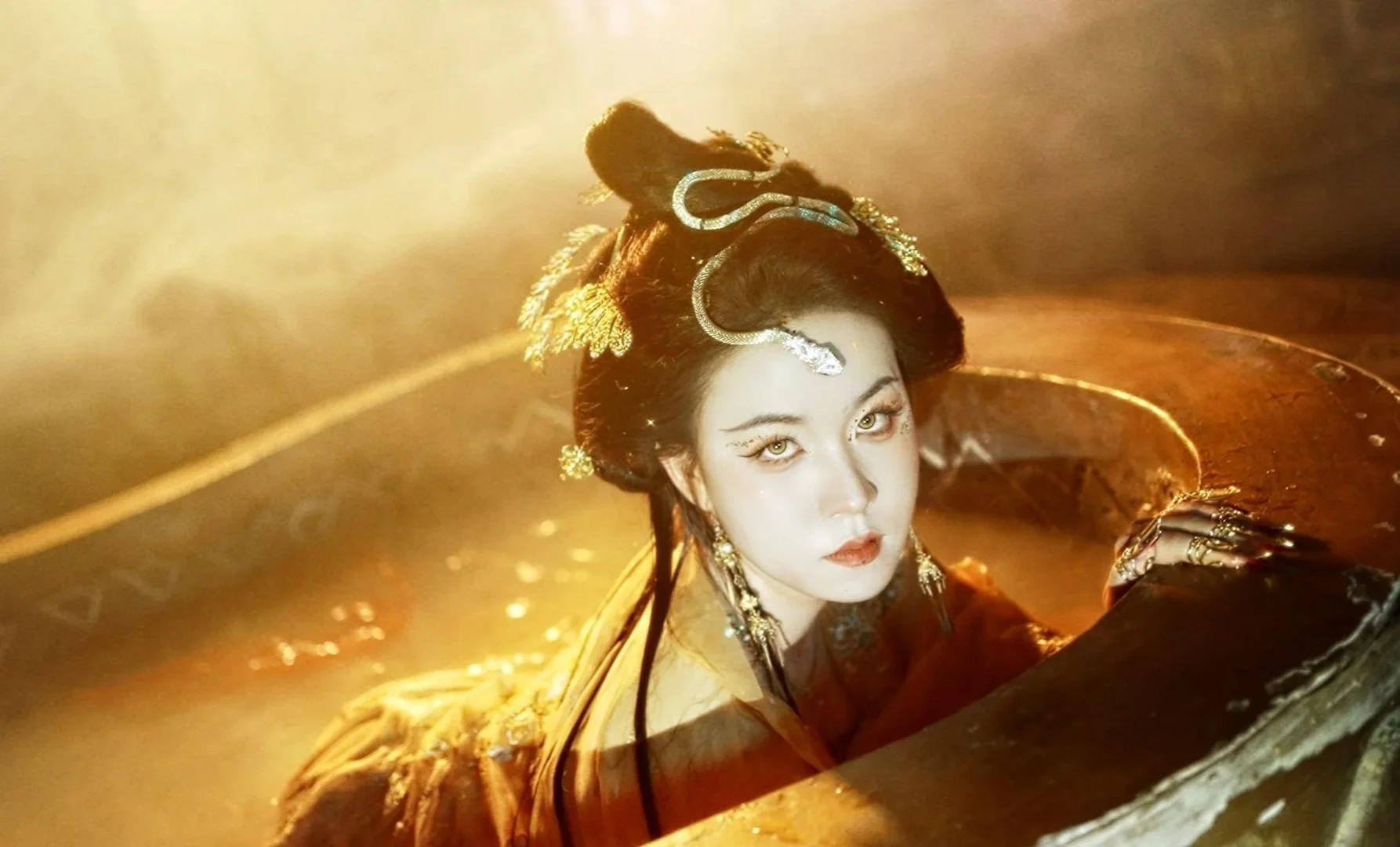
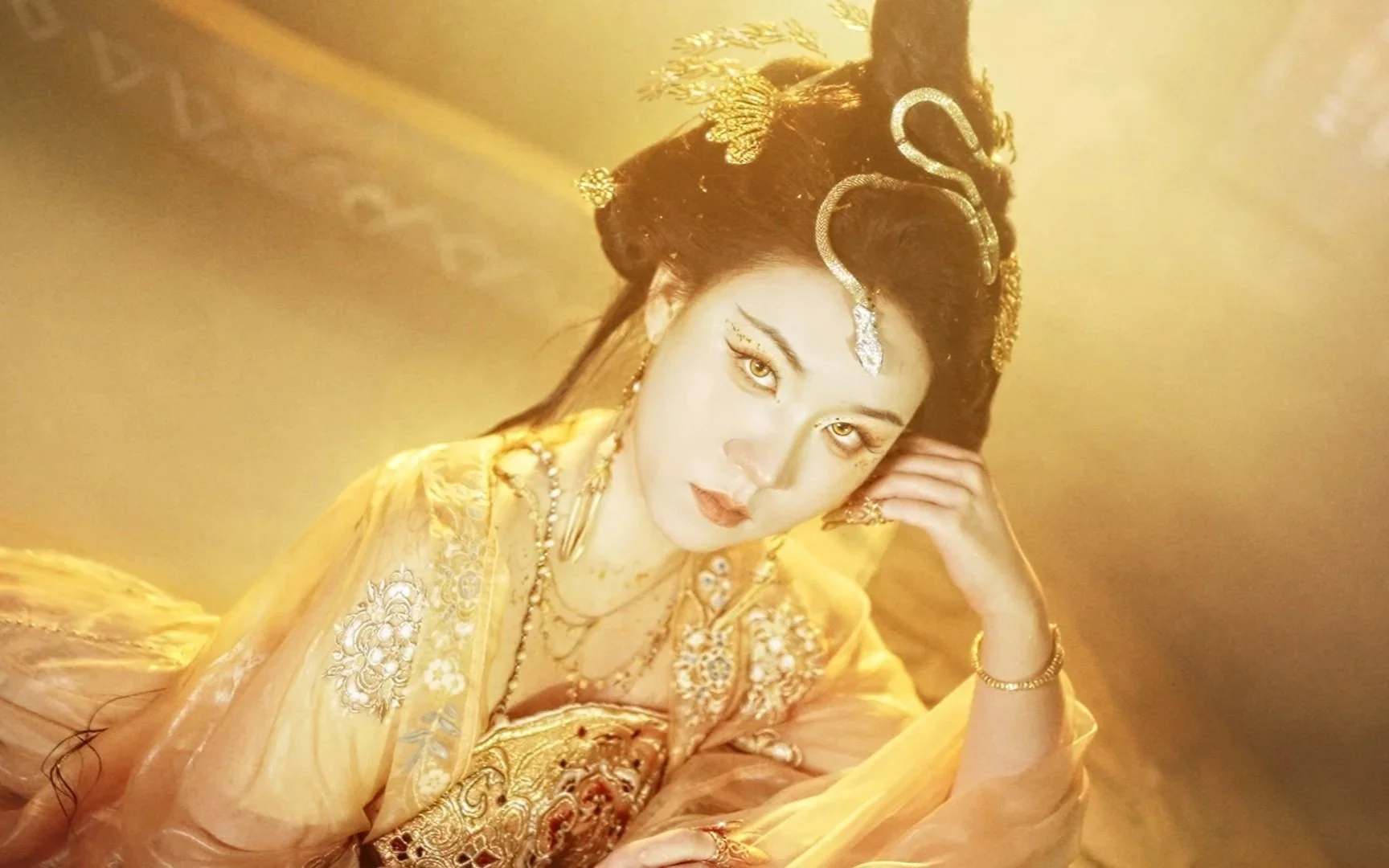
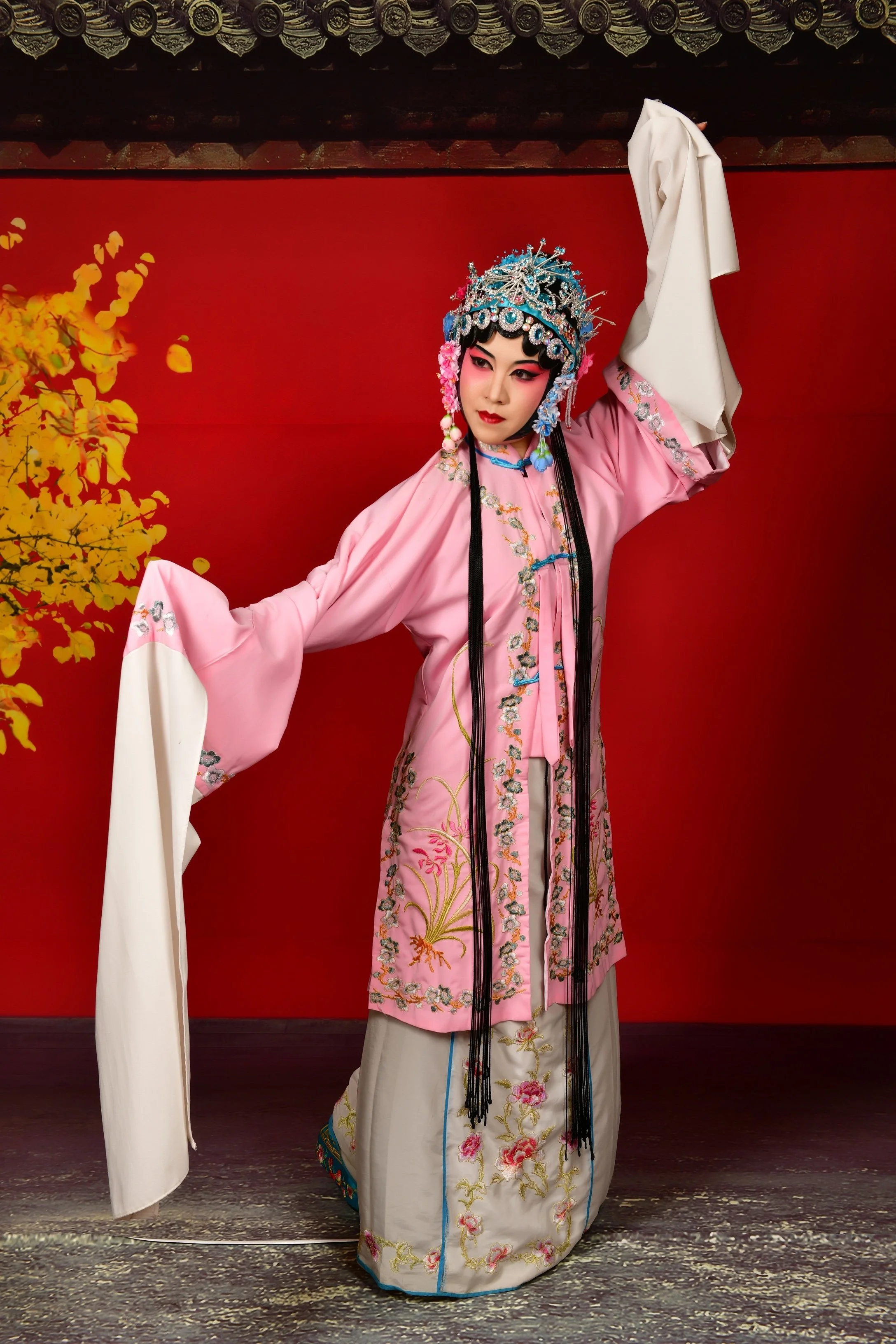
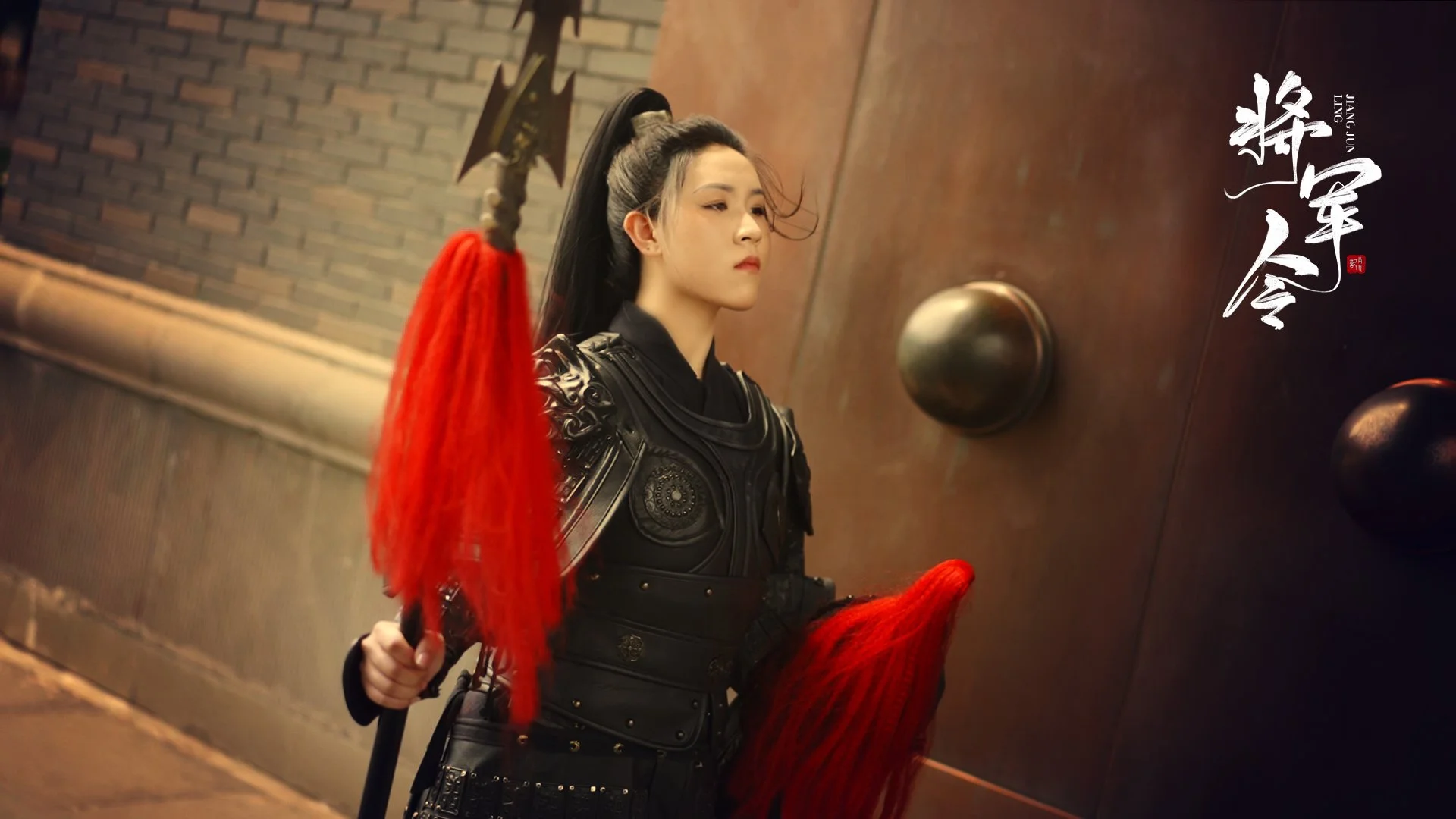
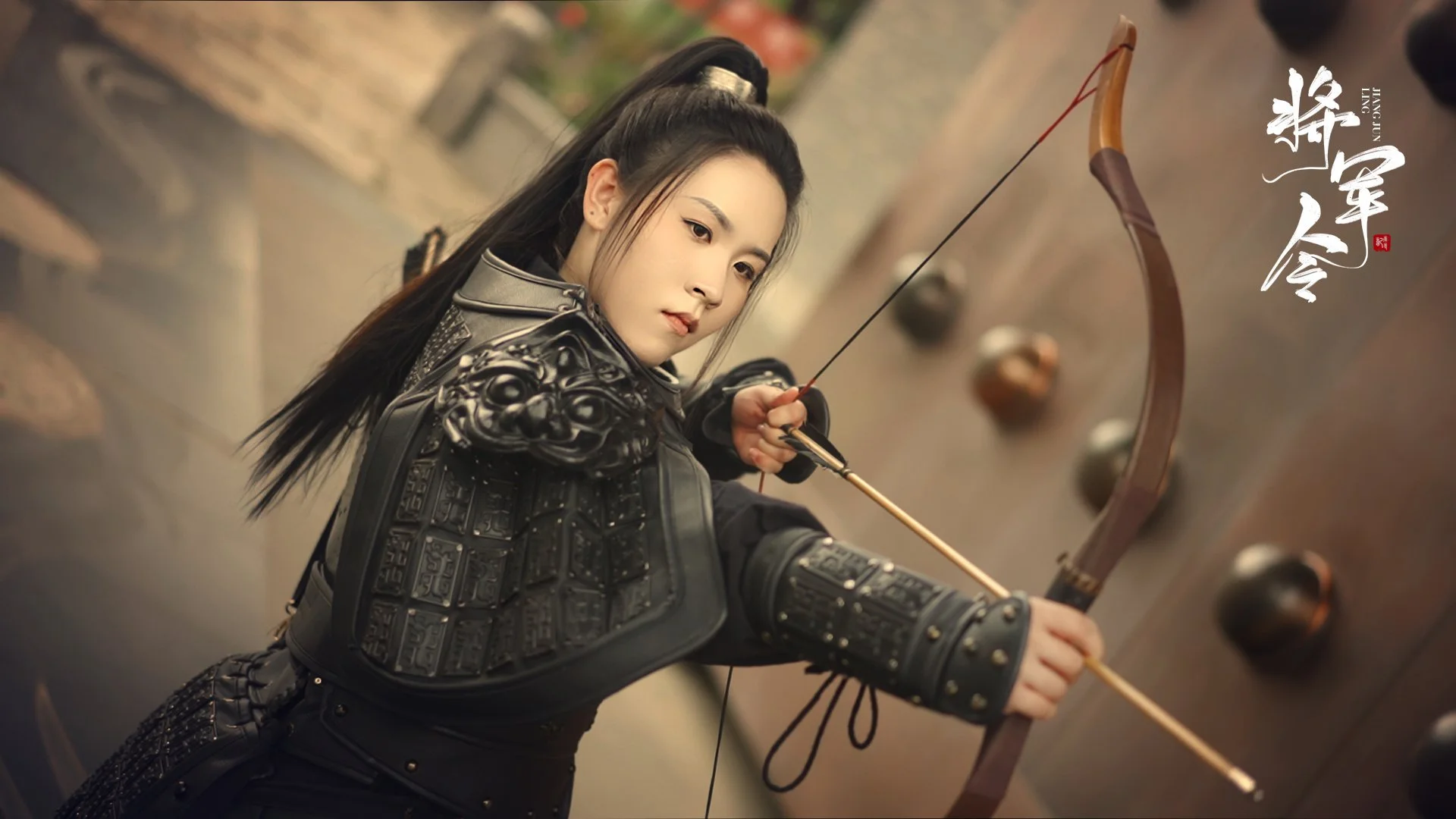
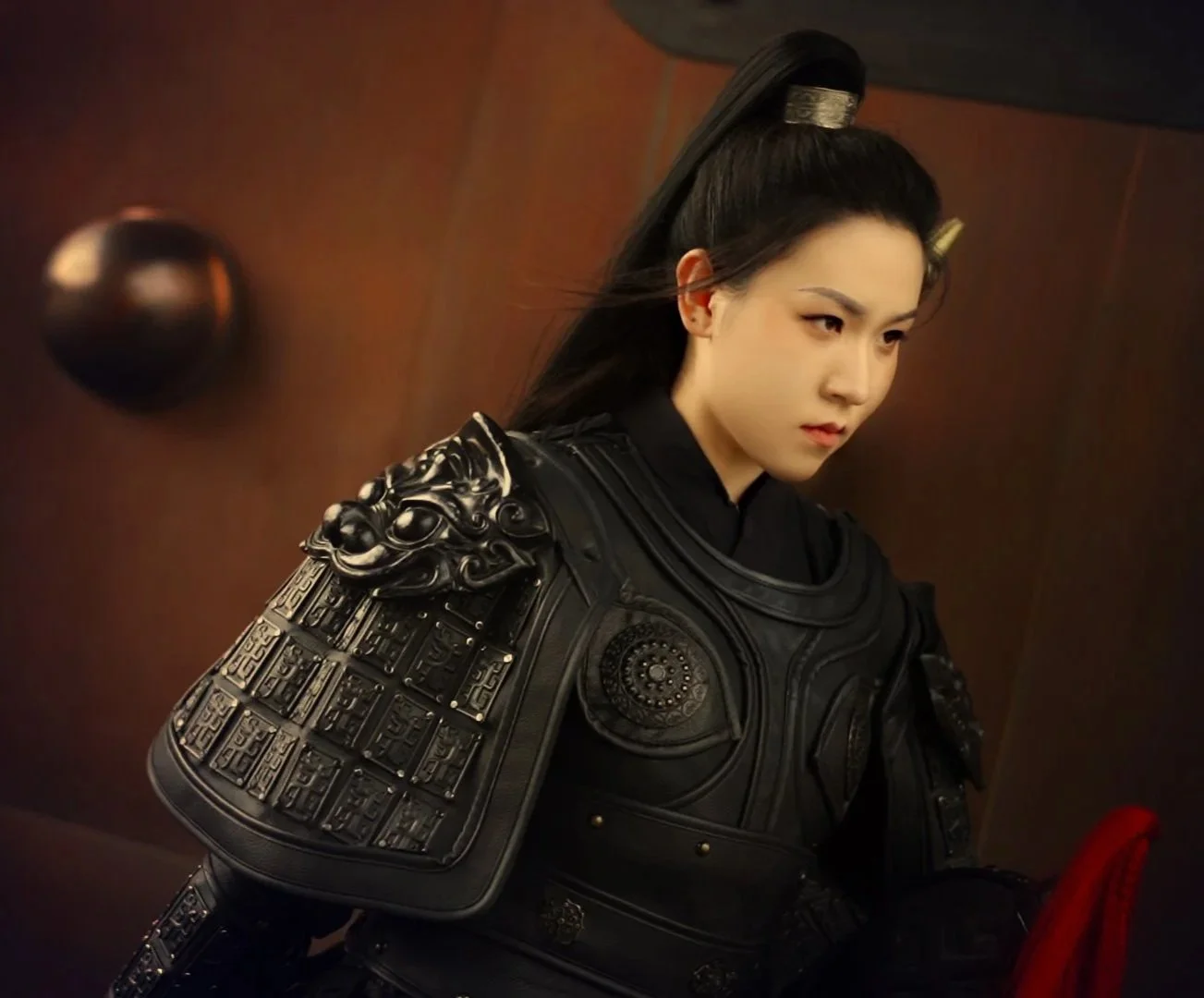
Through Hanfu modeling, classical Chinese movement, and years of Peking Opera training, I have developed a physical understanding of Chinese aesthetics that goes beyond visual style. Sleeves, collars, hair ornaments, posture, gait, and gesture each carry social, historical, and emotional information. A costume is never only a costume; it tells the audience how a person moves through power, gender, class, ceremony, and desire.
This embodied practice directly informs my work in theater, opera, and cross-cultural performance. As a dramaturg and cultural consultant, I bring not only research-based knowledge, but also lived physical familiarity with Chinese performance traditions, visual codes, and historical imagination. As a producer, I am especially interested in projects where cultural specificity is not treated as decoration, but as structure: something that shapes story, rhythm, movement, design, and audience experience.
This practice strengthens my current work by grounding cultural dramaturgy in the body. It gives me a deeper understanding of Chinese historical aesthetics, gender codes, ritual behavior, costume, movement, and visual symbolism; it also helps me collaborate more effectively with directors, designers, choreographers, and performers. Because I work between Chinese and American theatrical contexts, embodied practice allows me to translate cultural material without flattening it, and to build projects where design, story, movement, and cultural context work together.