Into The Wood
2026, New York
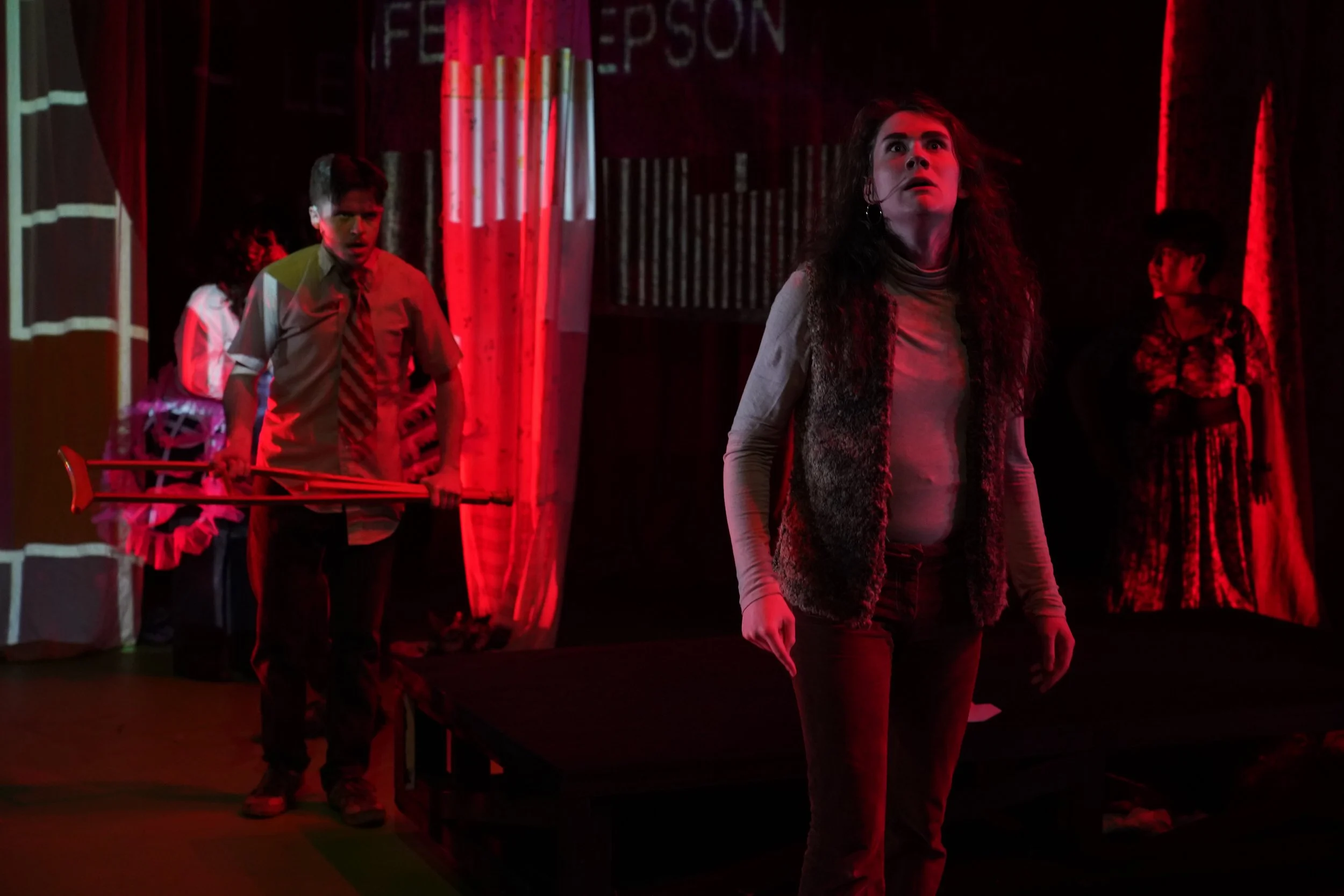
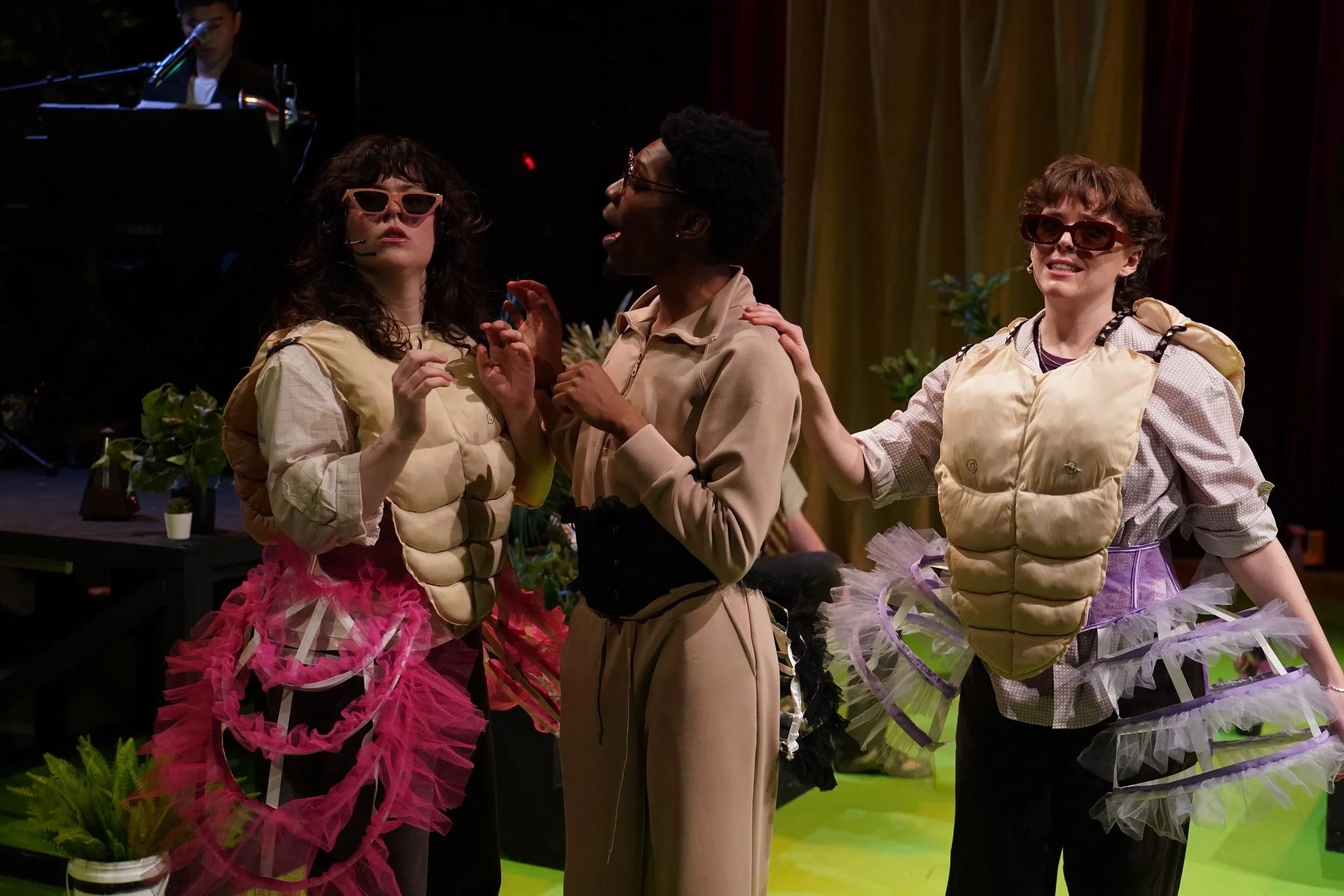
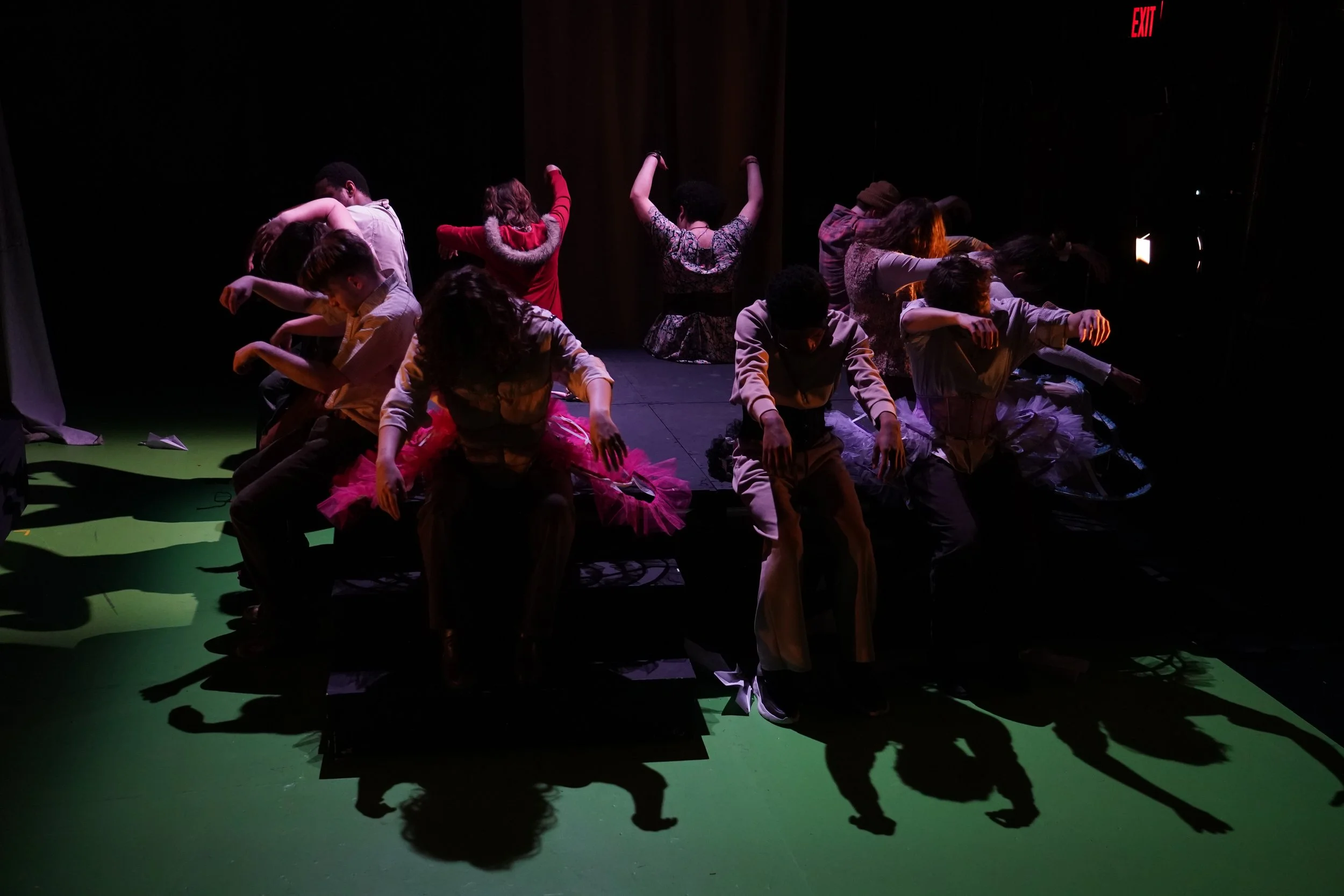
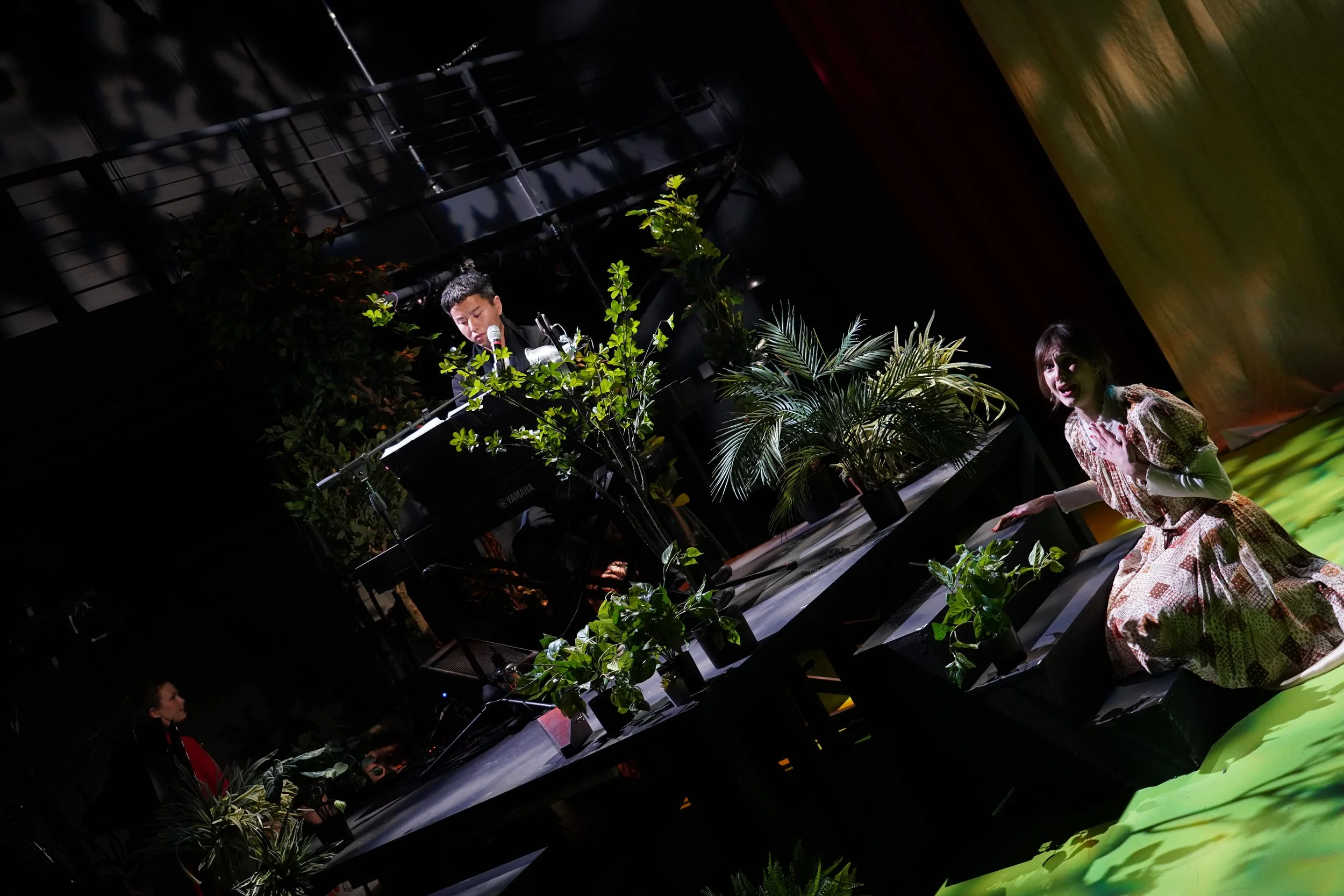
Into the Woods begins with the promise of story: a narrator, a fairy-tale world, a piano, a set of rules, and a group of people who believe that if they follow the plot correctly, they may arrive at “happily ever after.” But as the journey deepens, the production begins to ask a more difficult question: what is theatricality for?
In this staging, theatricality is not decoration. It is a system of belief — a way people organize fear, desire, grief, and responsibility into something they can survive. At first, the woods offer the pleasures of performance: transformation, rhythm, magic, role-play, and narrative control. But as the story fractures, those theatrical frames begin to fail. The Narrator can no longer protect the characters from consequence; the Witch can no longer contain the world through abstraction, feeling, and power; and the audience can no longer remain simply consumers of story.
The production moves from theatricality toward reality: from hearing a story, to seeing its machinery, to experiencing its human cost. As spectacle is stripped away, what remains is not less theatrical, but more urgent — voice, breath, music, bodies in space, and a community forced to decide what it means to continue after the story has stopped helping.
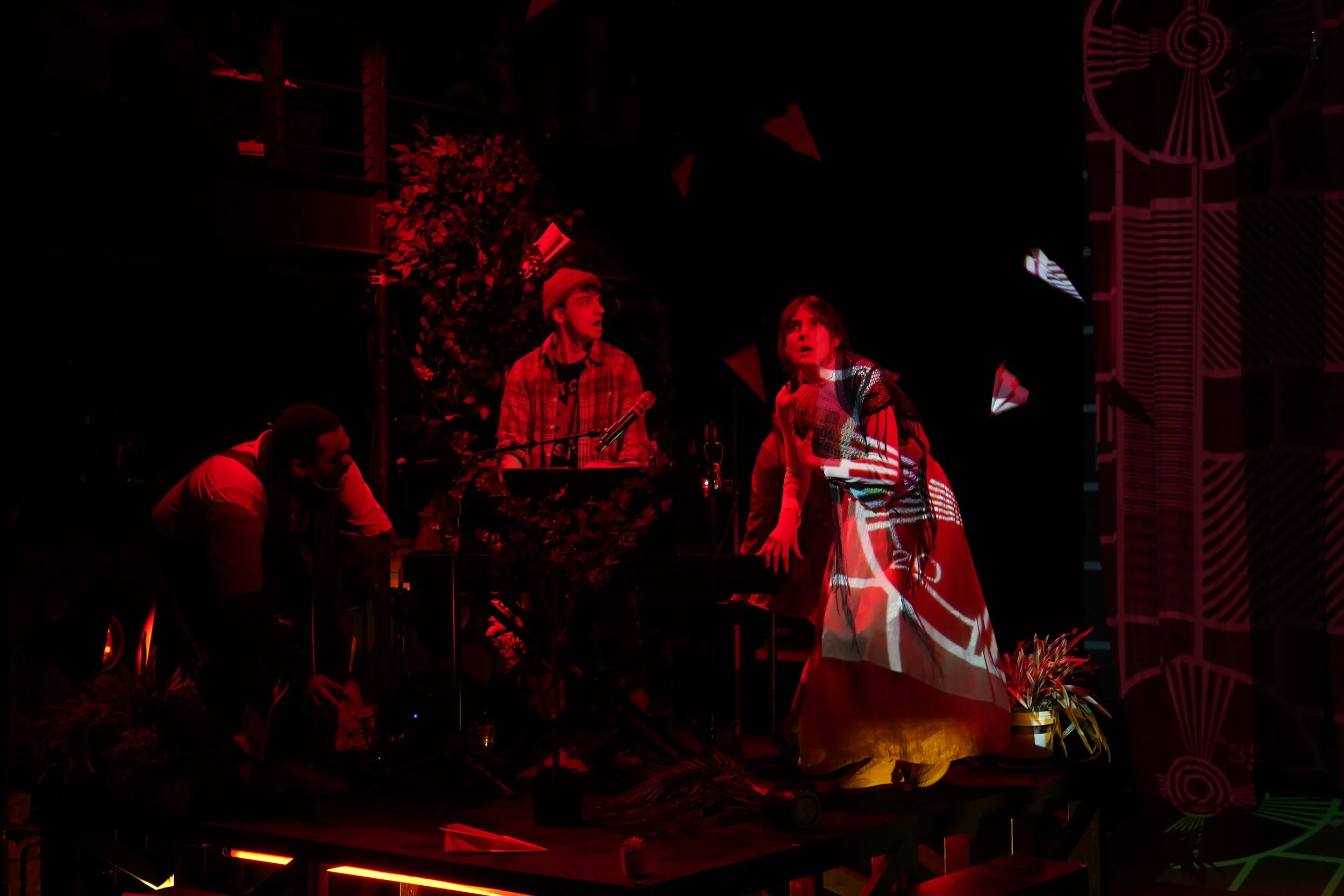
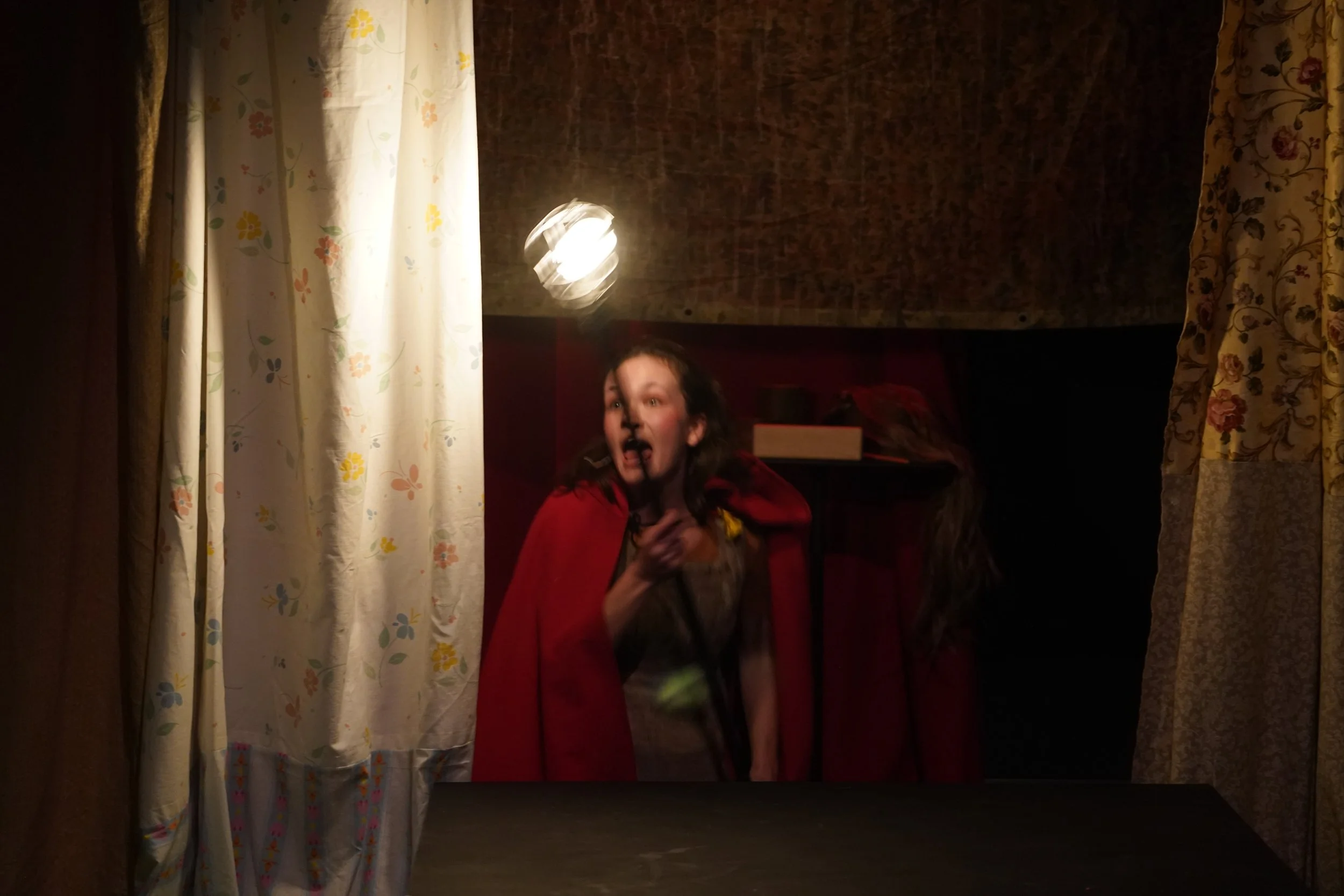
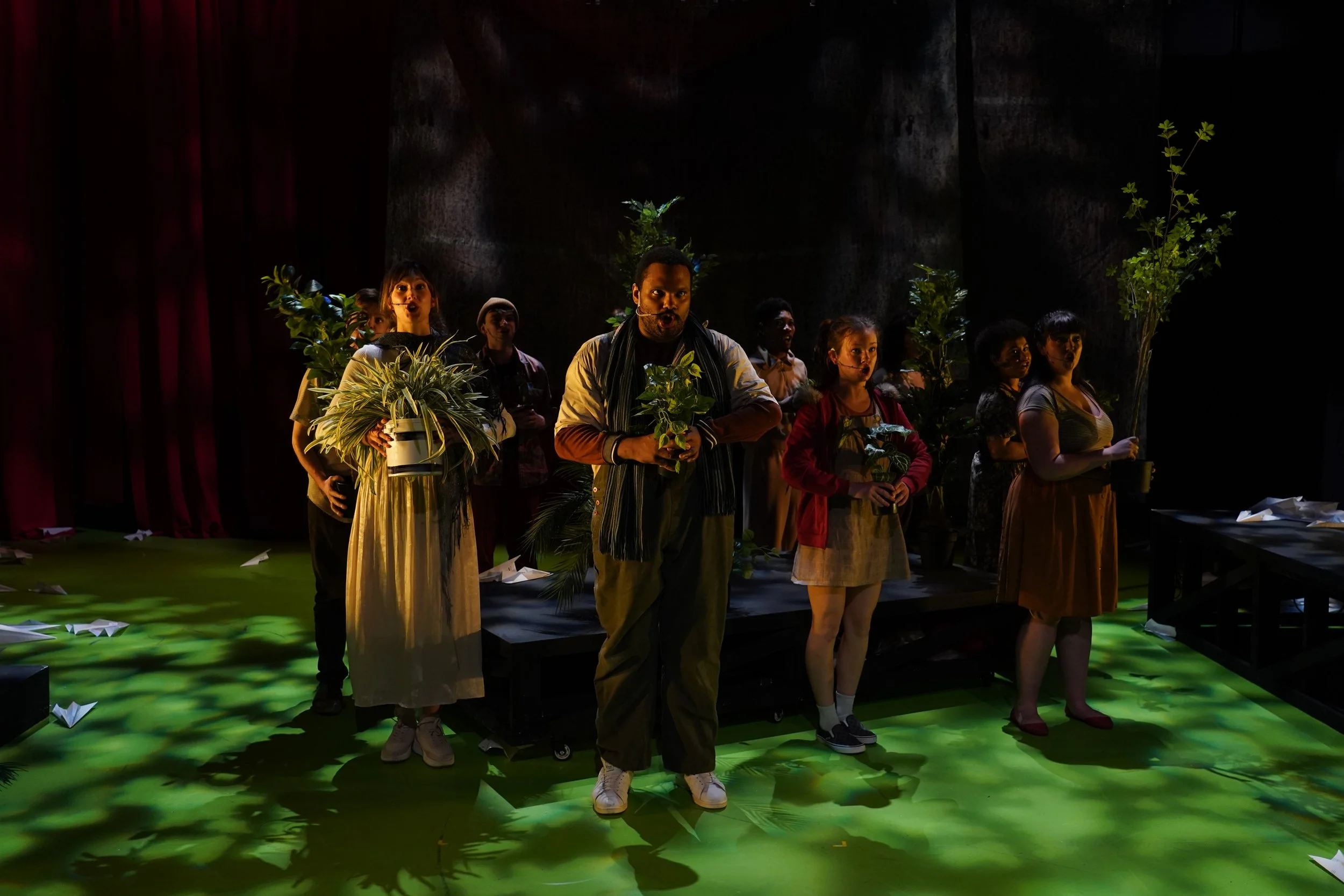
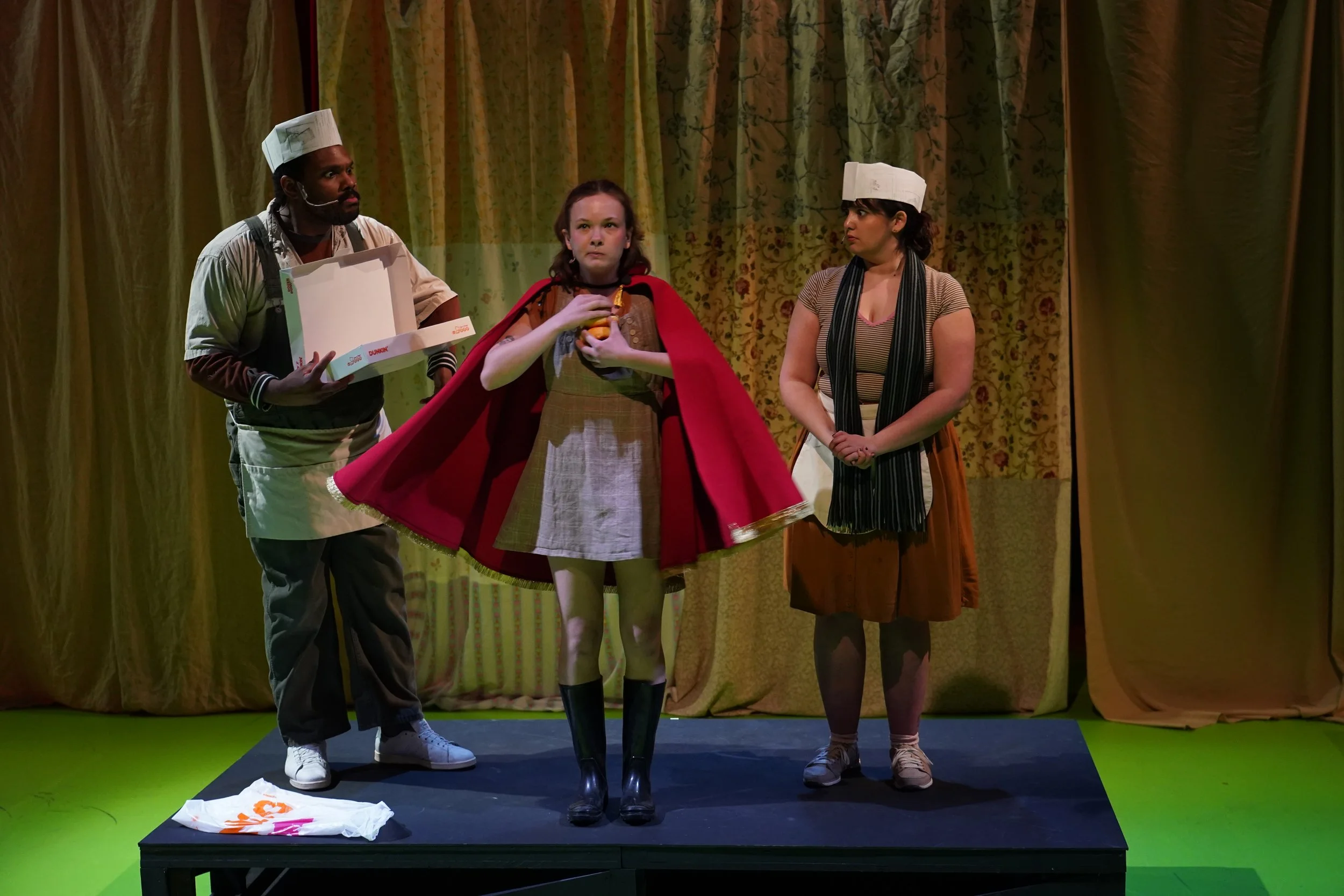
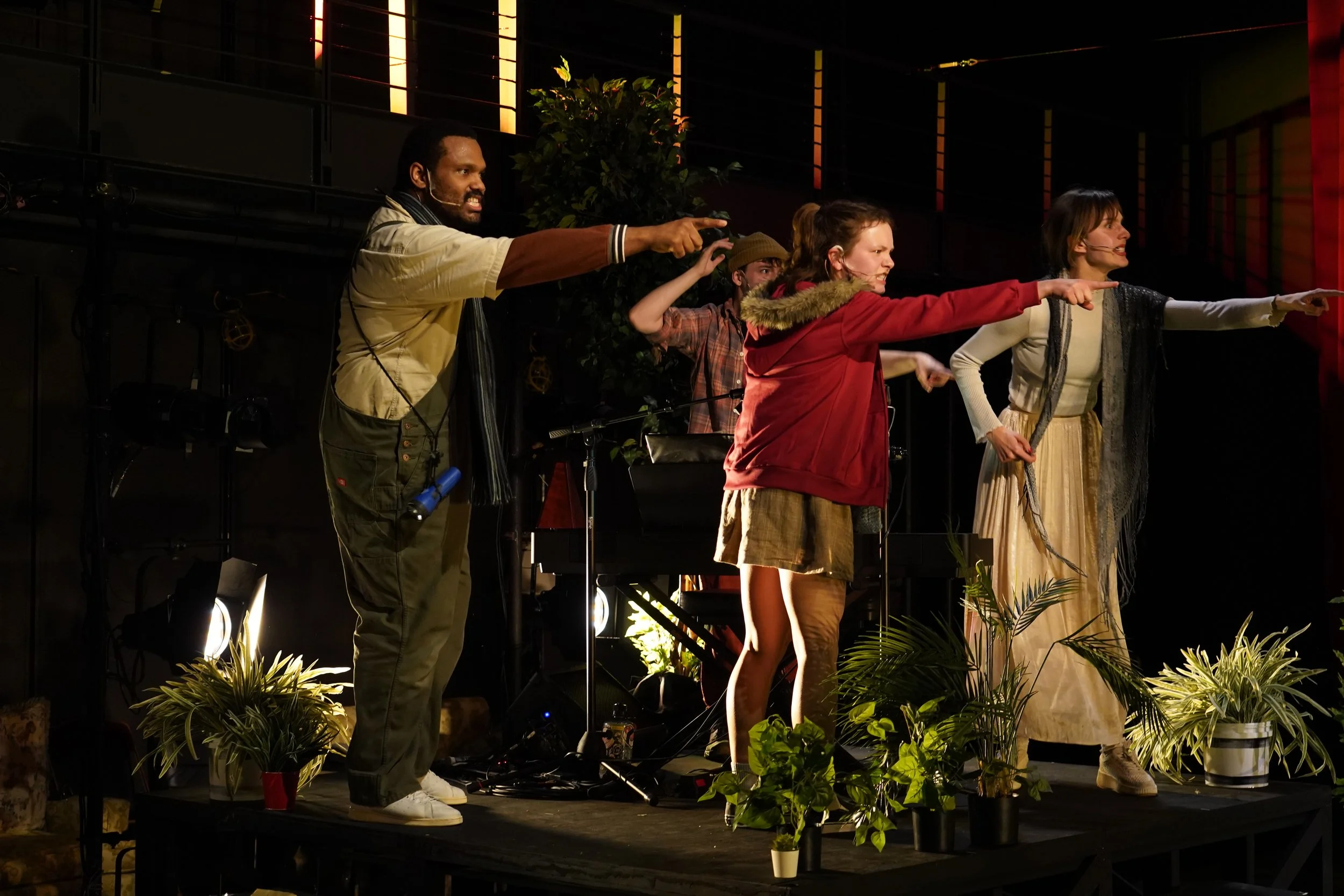
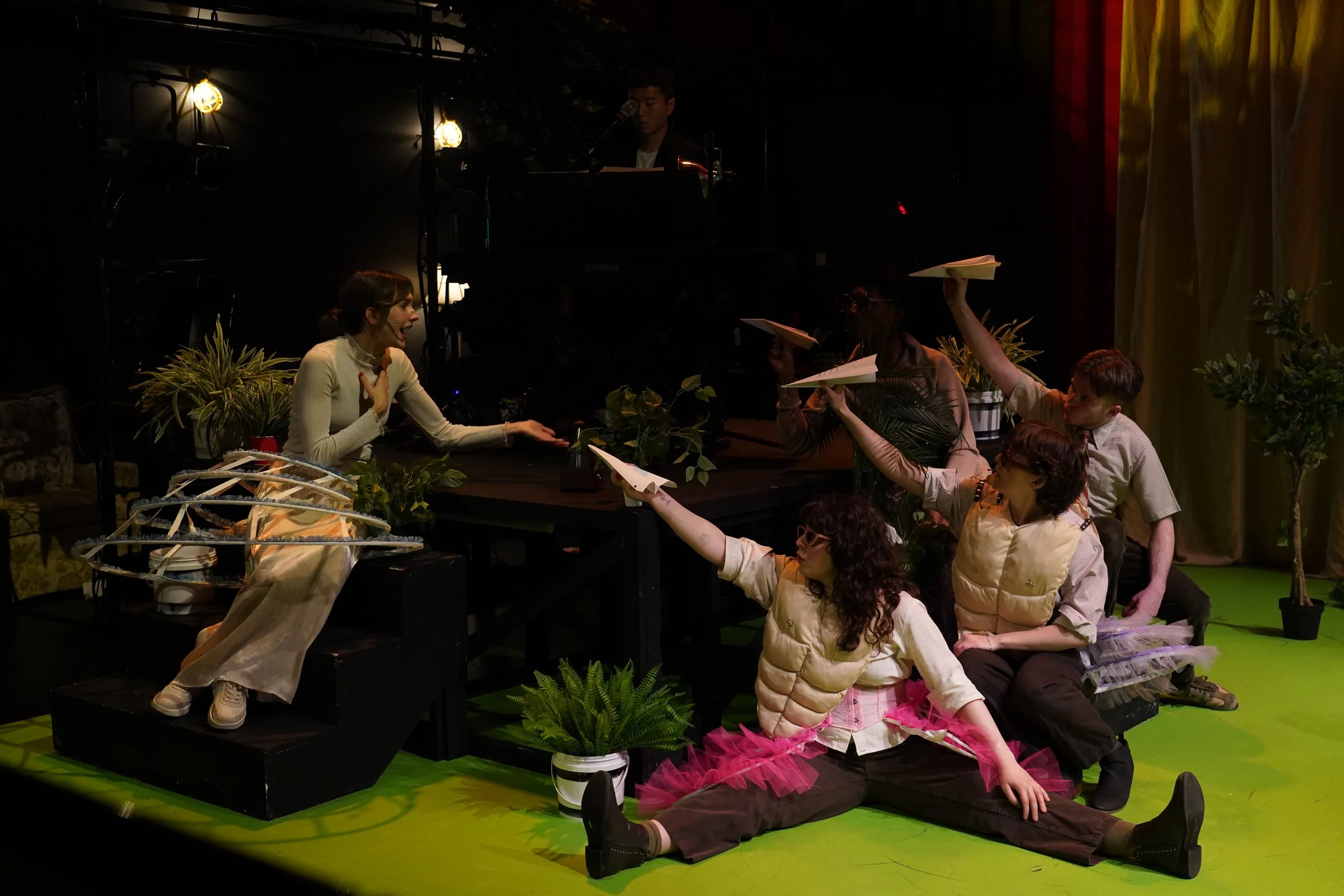
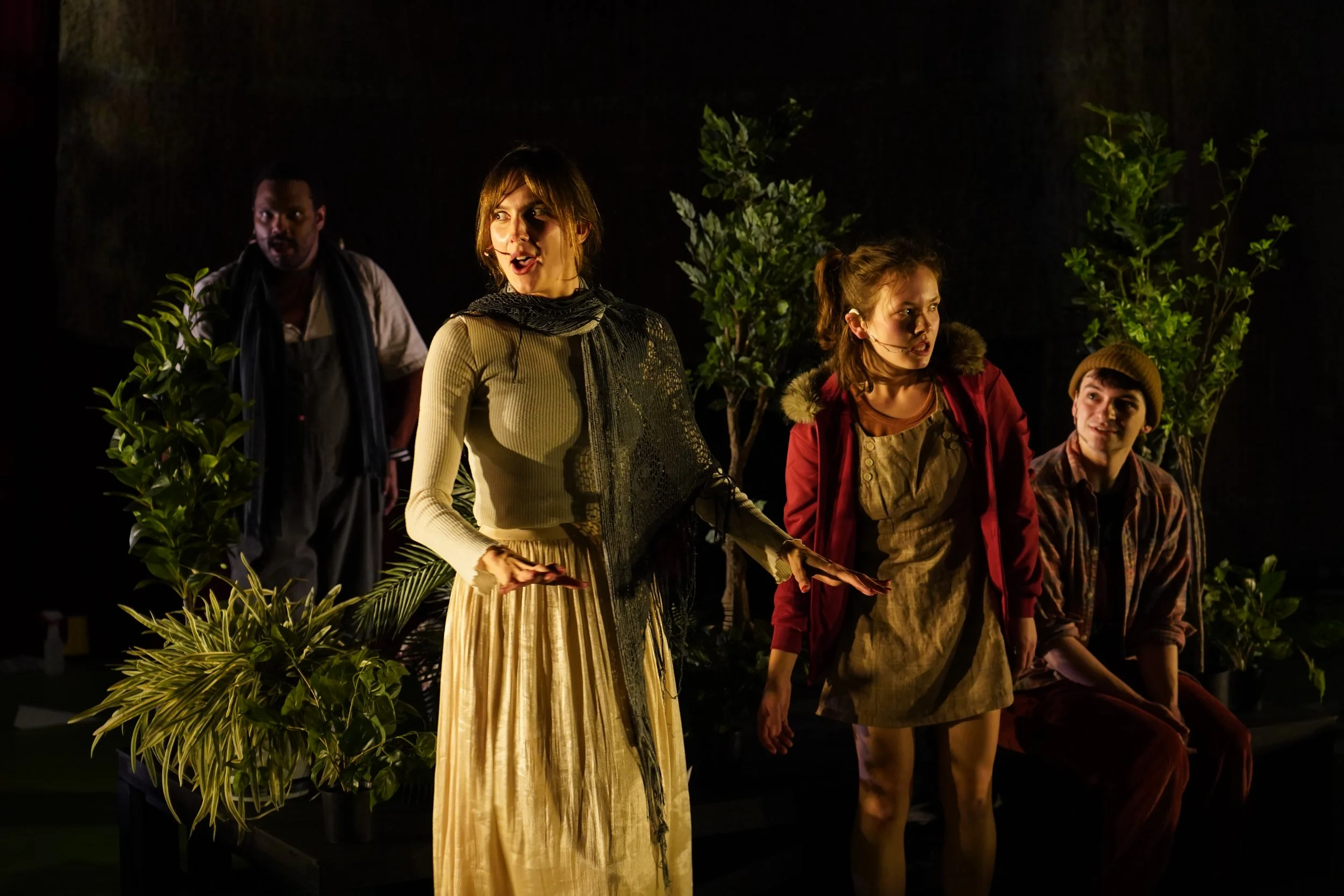
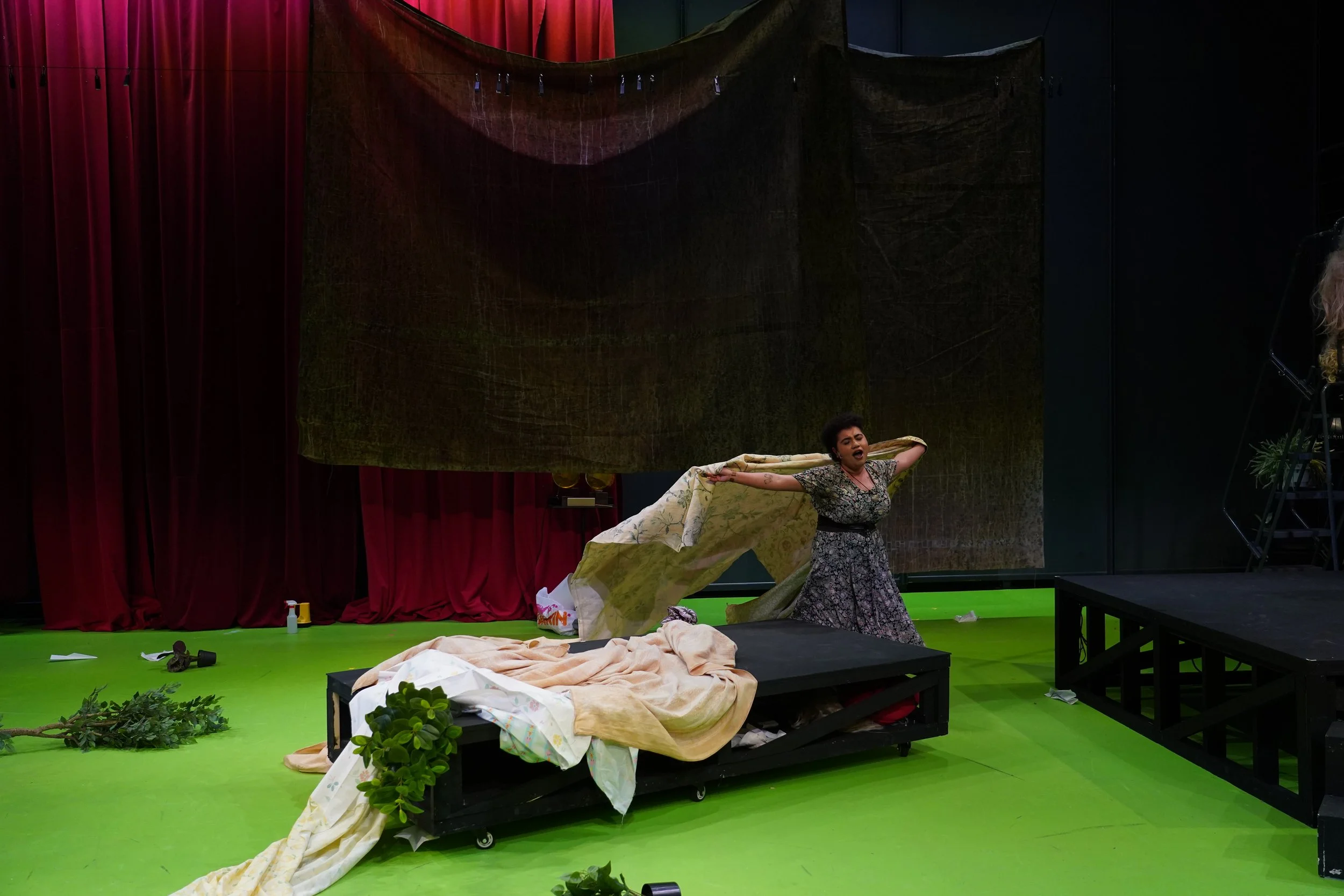
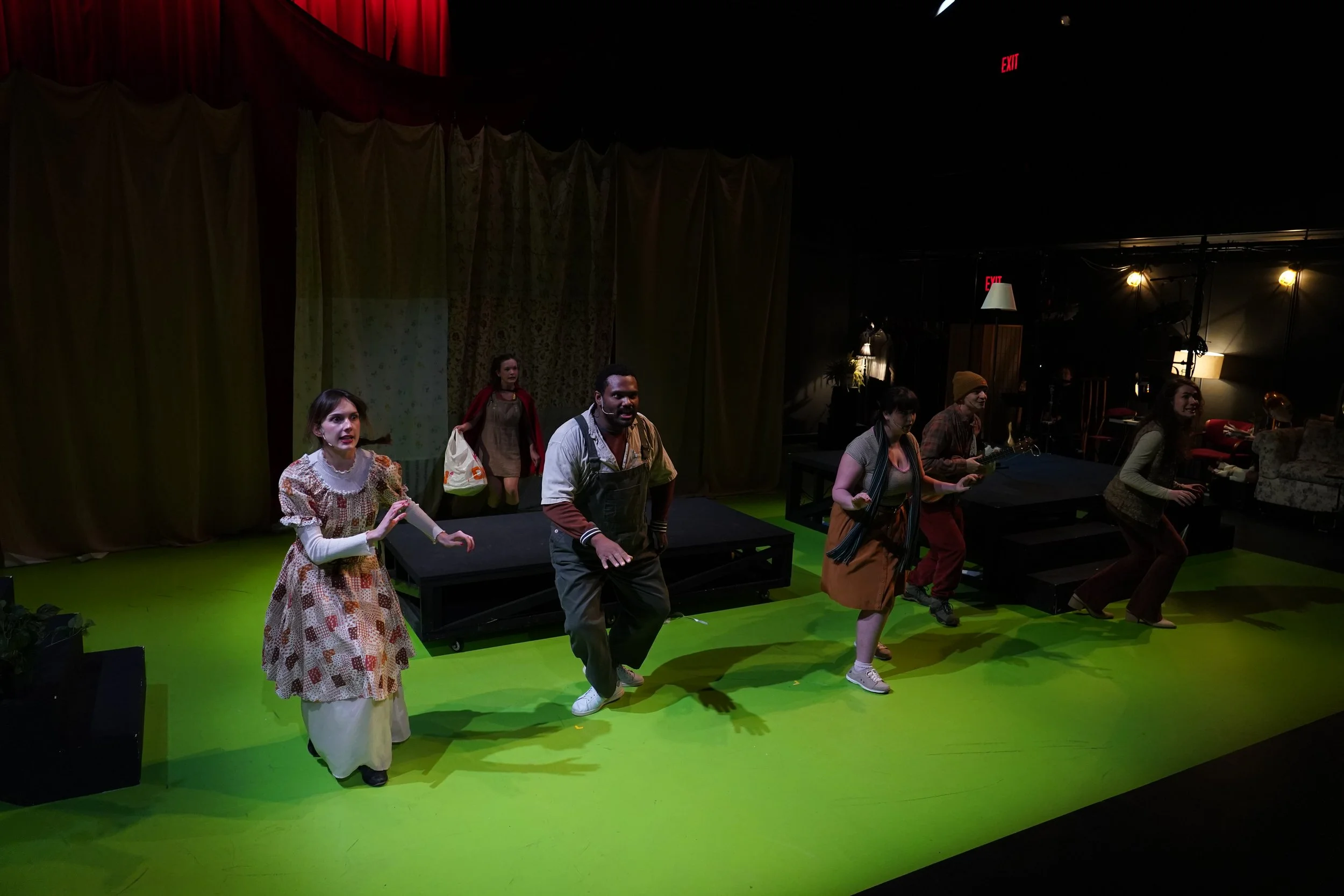
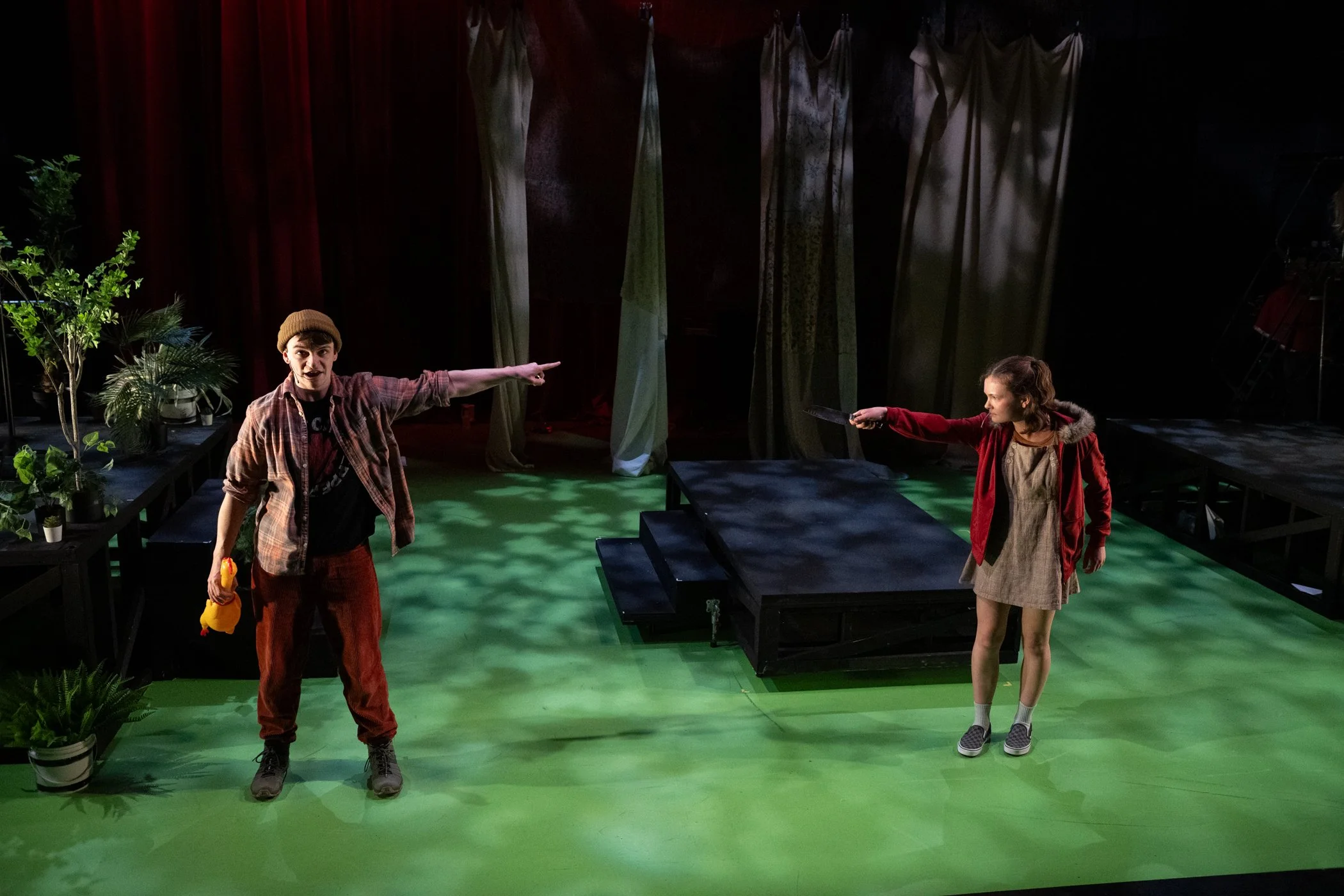
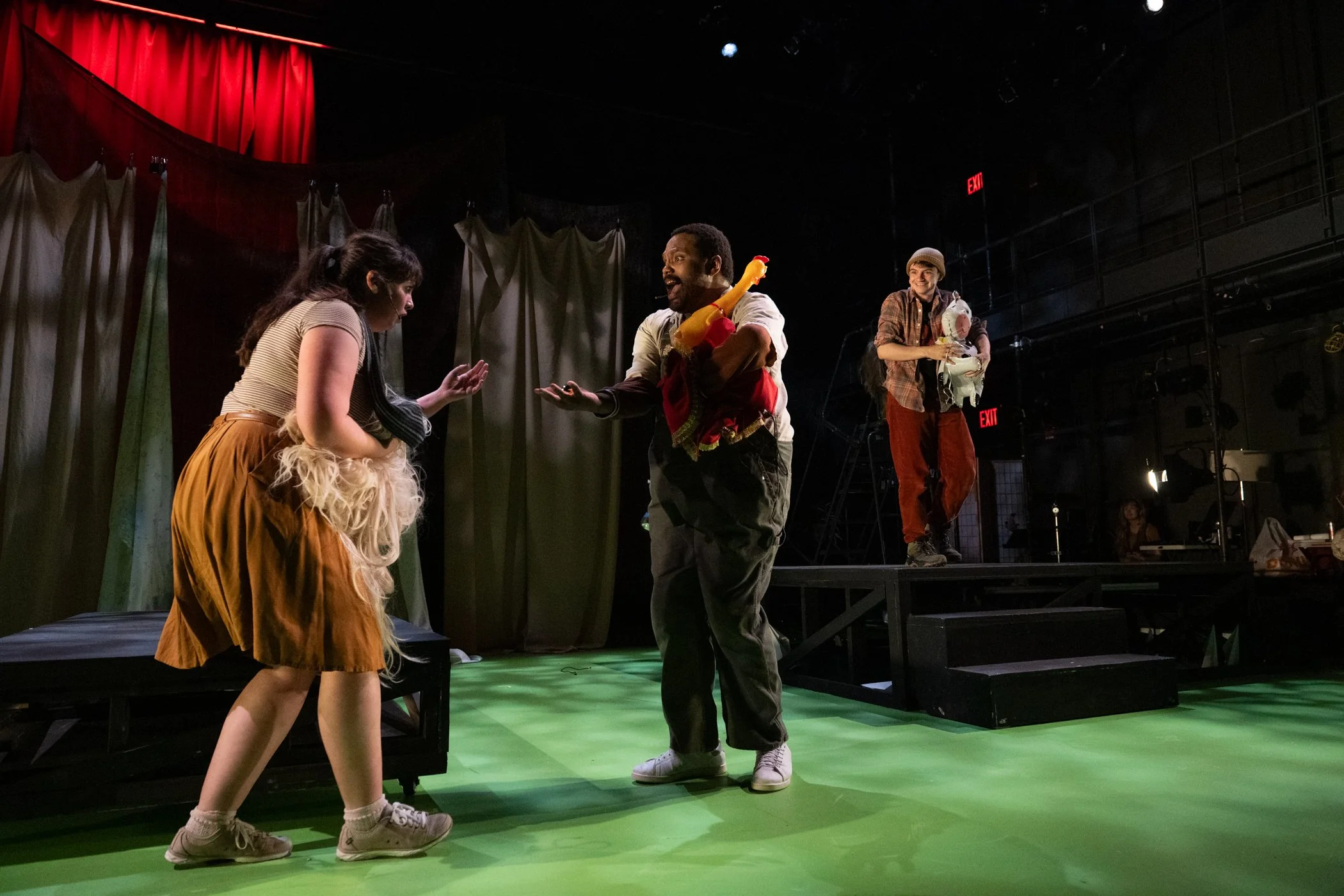
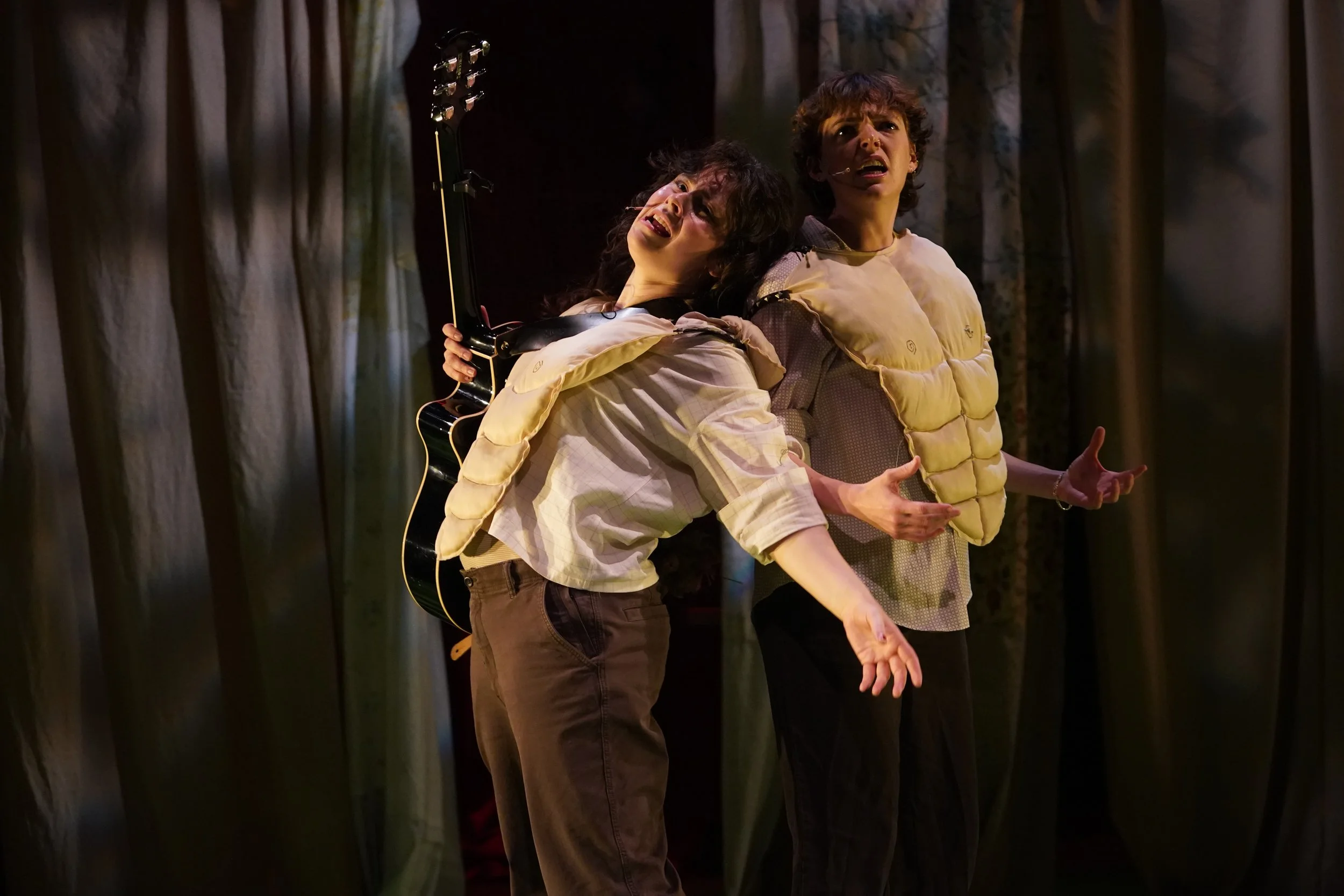
Presented at Lenfest Theater in New York
Music and Lyrics by Stephen Sondheim
Book by James Lapine
Directed by Brennan Urbi
Dramaturg: Zihe Tian
Music Director: Melissa Tormene
Scenic Design: Benny Pitt
Costume Design: Caroline Tyson
Lighting Design: Wyatt Moniz
Sound Design: Devin Wong
Production Stage Manager: Sydney Erwin
Producers: Xiaoyan Zhu & Seth Pecore